Silencing Political Dissent: How Post-September 11 Anti-Terrorism Measures Threaten Our Civil Liberties
Open Media series Public Power in the Age of Empire(2004) →
Sign in to keep track of books you’ve read and want to read.
"Take a little of your time to read Nancy Chang's Silencing Political Dissent. If this incisive explanation of the government's current assault on America's constitutional freedoms and due process doesn't motivate you toward the defense of democracy, it is likely that you either don't use your rights or care enough about their protection for others."—Ralph Nader“This is an essential book for anyone who wants to makehe Bill of Rights entirely relevant in the age of Bush-Ashcroft.”—Nat Hentoff"Nancy Chang's Silencing Political Dissentis more than a brilliant, lucid legal analysis. It is a deeply felt, passionately argued, articulate polemic of the defense of human rights in this country. Anyone who cares about America should read this book."—Martin Garbus"In a crude exploitation of the anguish and concern over the terrorist atrocities of Sept. 11, the Bush administration has sought to implement favored programs that have no relation to terrorism and would be sure to arouse protest if it could not cynically wield the weapon of "patriotism" to silence opposition. That includes steps to strengthen unaccountable executive power and curb independent thought and expression. Chang's study expertly reviews these threats, which should be understood and resisted by those who value their freedom and democratic rights."—Noam Chomsky In her groundbreaking new book, Silencing Political Dissent, constitutional expert Nancy Chang examines how the Bush administration’s fight against terrorism is resulting in a disturbing erosion of First Amendment rights and increase of executive power.Chang’s compelling analysis begins with a historical review of political repression and intolerance of dissent in America. From the Sedition Act of 1798, through the Smith Act of the 1940s and the internment of Japanese Americans in World War II, to the FBI’s infamous COINTELPRO program of the 1960s, Chang recalls how during times of crisis and war, the U.S. government has unjustly detained individuals, invaded personal privacy, and hampered the free speech of Americans.
Liked Silencing Political Dissent: How Post-September 11 Anti-Terrorism Measures Threaten Our Civil Liberties? Here’s where I’d start.
These suit anyone who liked Silencing Political Dissent: How Post-September 11 Anti-Terrorism Measures Threaten Our Civil Liberties. Sign in and mark a few books for picks shaped around your own taste.
-
 America Right Or Wrong: An Anatomy Of American Nationalism Shares politics, political science, nonfiction
-
 Southern Politics In State and Nation Shares politics, political science, nonfiction
-
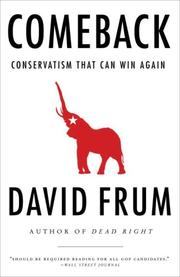 Comeback: Conservatism That Can Win Again Shares politics, political science, nonfiction
-
 America the Unusual Shares politics, political science, nonfiction