Leaving Home: The Art of Separating From Your Difficult Family
Sign in to keep track of books you’ve read and want to read.
Why would an adult choose to live close to parents who hurt them as a child? And how does a grown son or daughter break free of a parent's grip in order to build healthy relationships? David Celani argues that letting go of family bonds that never met a child's needs can be the hardest emotional task of adulthood.
Read more
Many people repeat the painful patterns of their early homes with friends and partners, which keeps them tied to their families. Drawing on object-relations theory and his decades as a clinician, Celani sets out a practical path toward emotional independence from difficult parents, explaining why separation can be lifesaving and how to begin it.
Liked Leaving Home: The Art of Separating From Your Difficult Family? Here’s where I’d start.
These suit anyone who liked Leaving Home: The Art of Separating From Your Difficult Family. Sign in and mark a few books for picks shaped around your own taste.
-
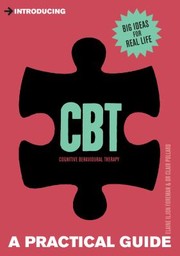 Introducing CBT (Cognitive Behavioural Therapy): A Practical Guide Shares psychology, self-help
-
The Gestalt Approach and Eye Witness to Therapy Shares psychology, self-help
-
 Lying with the Heavenly Woman: Understanding and Integrating the Feminine Archetypes in Men's Lives Shares psychology, self-help
-
 Brilliant Cognitive Behavioural Therapy: How to Use CBT to Improve Your Mind and Your Life. Stephen Briers Shares psychology, self-help