Lessons of the Masters
Sign in to keep track of books you’ve read and want to read.
When we talk about education today, we tend to avoid the rhetoric of "mastery," with its erotic and inegalitarian overtones. But the charged personal encounter between master and disciple is precisely what interests George Steiner in this book, a sustained reflection on the infinitely complex and subtle interplay of power, trust, and passions in the most profound sorts of pedagogy. Based on Steiner's Norton Lectures on the art and lore of teaching, "Lessons of the Masters" evokes a host of exemplary figures, including Socrates and Plato, Jesus and his disciples, Virgil and Dante, Heloise and Abelard, Tycho Brahe and Johann Kepler, the Baal Shem Tov, Confucian and Buddhist sages, Edmund Husserl and Martin Heidegger, Nadia Boulanger, and Knute Rockne.
Read more
Pivotal in the unfolding of Western culture are Socrates and Jesus, charismatic masters who left no written teachings, founded no schools. In the efforts of their disciples, in the passion narratives inspired by their deaths, Steiner sees the beginnings of the inward vocabulary, the encoded recognitions of much of our moral, philosophical, and theological idiom. He goes on to consider a diverse array of traditions and disciplines, recurring throughout to three underlying themes: the master's power to exploit his student's dependence and vulnerability; the complementary threat of subversion and betrayal of the mentor by his pupil; and the reciprocal exchange of trust and love, of learning and instruction between master and disciple.
Forcefully written, passionately argued, "Lessons of the Masters" is itself a masterly testament to the high vocation and perilous risks undertaken by true teacher and learner alike.
Liked Lessons of the Masters? Here’s where I’d start.
These suit anyone who liked Lessons of the Masters. Sign in and mark a few books for picks shaped around your own taste.
-
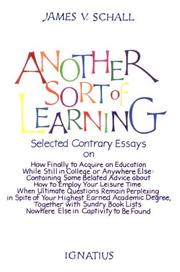 Another Sort of Learning Shares education, philosophy, essays
 -
 The Aims of Education Shares education, philosophy, essays
 -
 The Great Tradition: Classic Readings on What it Means to Be an Educated Human Being Shares education, philosophy, literature
 -
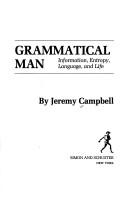 Grammatical Man: Information, Entropy, Language, and Life Shares literary or critical theory, philosophy, education