Cover of The Study of Counterpoint

The Study of Counterpoint

Since its appearance in 1725, it has been used by and has directly influenced the work of many of the greatest composers. J. S. Bach held it in high esteem, Leopold Mozart trained his famous son from its pages, Haydn worked out every lesson with meticulous care, and Beethoven condensed it into an abstract for ready reference.

Audience
adult
Length
short · 160 pages

Click a tag to see books like this one that share it. Point at it (on a phone, tap it) for less of it instead.

Read it? Sign in to help tag it.

Liked The Study of Counterpoint? Here’s where I’d start.

These suit anyone who liked The Study of Counterpoint. Sign in and mark a few books for picks shaped around your own taste.
  1. The Study of Orchestration Shares music, music theory, nonfiction
  2. Theory of Harmony Shares music, music theory, nonfiction
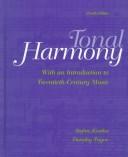
  3. Tonal Harmony, with an Introduction to Twentieth-Century Music Shares music, music theory, nonfiction
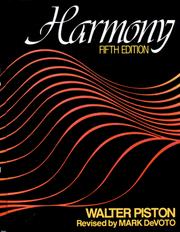
  4. Harmony Shares music, music theory, nonfiction

“People who read The Study of Counterpoint tend to reach for these next.”

  1. Principles of Orchestration
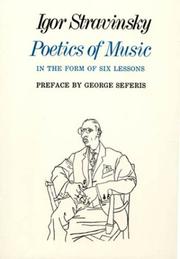
  2. Poetics of Music in the Form of Six Lessons
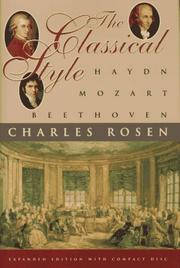
  3. The Classical Style: Haydn, Mozart, Beethoven
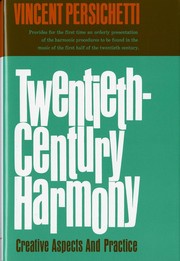
  4. Twentieth-Century Harmony: Creative Aspects and Practice

“If you want more of the same (science about music), start with these.”

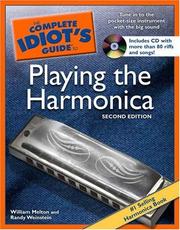
  1. The Complete Idiot's Guide to Playing the Harmonica
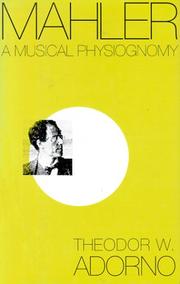
  2. Mahler: A Musical Physiognomy
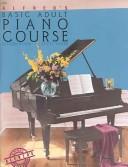
  3. Alfred's Basic Adult Piano Course Level One: Lesson Book
  4. Jazz Anecdotes: Second Time Around

“If it was the music that hooked you, try one of these.”

  1. The Jazz Theory Book
  2. Composing Music: A New Approach
  3. Basic Music Theory
  4. Counterpoint

“These start from a similar idea, even if they go somewhere else with it.”

  1. Bach, Beethoven and the Boys: Music History as It Ought to Be Taught
  2. Becoming Bach
  3. The Lives of the Great Composers
  4. The definitive biography of P.D.Q. Bach (1807-1742)?