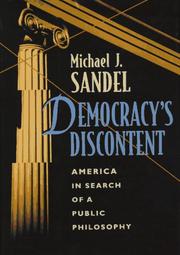
Multiculturalism and the Politics of Guilt: Toward a Secular Theocracy
Sign in to keep track of books you’ve read and want to read.
Multiculturalism and the Politics of Guilt extends Paul Gottfried's examination of Western managerial government's growth in the last third of the twentieth century. Linking multiculturalism to a distinctive political and religious context, the book argues that welfare-state democracy, unlike bourgeois liberalism, has rejected the once conventional distinction between government and civil society. Gottfried argues that the West's relentless celebrations of diversity have resulted in the downgrading of the once dominant Western culture. The moral rationale of government has become the consciousness-raising of a presumed majority population. While welfare states continue to provide entitlements and fulfill the other material programs of older welfare regimes, they have ceased to make qualitative leaps in the direction of social democracy. For the new political elite, nationalization and income redistributions have become less significant than controlling the speech and thought of democratic citizens. An escalating hostility toward the bourgeois Christian past, explicit or at least implicit in the policies undertaken by the West and urged by the media, is characteristic of what Gottfr
Liked Multiculturalism and the Politics of Guilt: Toward a Secular Theocracy? Here’s where I’d start.
These suit anyone who liked Multiculturalism and the Politics of Guilt: Toward a Secular Theocracy. Sign in and mark a few books for picks shaped around your own taste.
-
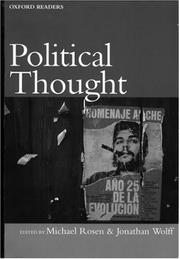 Political Thought Shares political philosophy, philosophy, politics
-
 Patriarcha and Other Writings Shares philosophy, political philosophy, politics
-
Sexual Utopia in Power: The Feminist Revolt Against Civilization Shares political philosophy, philosophy, politics
-
 The Best of Burke: Selected Writings and Speeches Shares political philosophy, politics, philosophy