The New Existentialism
Sign in to keep track of books you’ve read and want to read.
Colin Wilson looks at the existentialist tradition that began with Kierkegaard and reached its height in the work of Sartre, Camus and Heidegger. He argues that these thinkers, for all their insight, left many readers with a sense of despair and meaninglessness. Wilson sets out to show how the movement might be reconsidered and carried further. He draws on phenomenology, the study of consciousness, and on the psychology of heightened experience to propose a more hopeful account of what it means to be human. Along the way he tests the claims of earlier philosophers against his own sense of how minds actually work, and asks what a philosophy of life might offer a reader who has grown tired of pessimism.
Liked The New Existentialism? Here’s where I’d start.
These suit anyone who liked The New Existentialism. Sign in and mark a few books for picks shaped around your own taste.
-
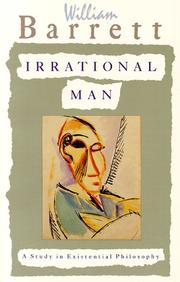 Irrational Man: A Study in Existential Philosophy Shares philosophy, existentialism, nonfiction
-
 Existentialism Shares philosophy, existentialism, nonfiction
-
 On Being Authentic Shares philosophy, nonfiction, existentialism
-
 How to Be an Existentialist: or How to Get Real, Get a Grip and Stop Making Excuses Shares philosophy, existentialism, nonfiction