The Philosophy of Humanism
Sign in to keep track of books you’ve read and want to read.
The Philosophy of Humanism sets out a case for a naturalistic outlook on life, one that rests on reason, science and human experience rather than on supernatural belief. Corliss Lamont explains what humanists hold about the universe, about the place of people within nature, and about how we might live well without appeal to gods or revelation. He discusses ethics grounded in human welfare, the value of democracy and free inquiry, and the hope that people can build a fairer society through their own efforts. Written in the years after the Second World War, the book aims to present humanism as a coherent philosophy for ordinary readers as well as thinkers, and to answer the common objection that a world without faith must be empty of meaning.
Liked The Philosophy of Humanism? Here’s where I’d start.
These suit anyone who liked The Philosophy of Humanism. Sign in and mark a few books for picks shaped around your own taste.
-
 What's God Got to Do with it? Robert Ingersoll on Free Thought, Honest Talk & the Separation of Church & State Shares philosophy, atheism, religion
-
 Humanism: A Beginner's Guide Shares philosophy, humanism, atheism
-
 Humanism: An Introduction Shares humanism, philosophy, atheism
-
 Living Without God: New Directions for Atheists, Agnostics, Secularists, and the Undecided Shares philosophy, atheism, religion
“People who read The Philosophy of Humanism tend to reach for these next.”
-
 The Atheist's Way: Living Well Without Gods
-
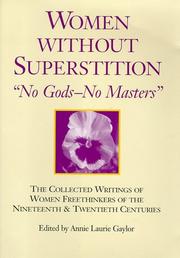 Women Without Superstition: No Gods--No Masters: The Collected Writings of Women Freethinkers of the Nineteenth and Twentieth Centuries
-
 Candidate Without a Prayer: An Autobiography of a Jewish Atheist in the Bible Belt
-
 Philosophers Without Gods: Meditations on Atheism and the Secular Life