Cover of A Chemical History of a CandleFree online

A Chemical History of a Candle

Also online · free to read

One of the greatest experimental scientists of all time, Michael Faraday (1791-1867) developed the first electric motor, electric generator, and dynamo — essentially creating the science of electrochemistry. This book, the result of six lectures he delivered to young students at London's Royal Institution, concerns another form of energy — candlelight.

Read more

Faraday titled the lectures "The Chemical History of a Candle," choosing the subject because, as he explained, "There is not a law under which any part of this universe is governed which does not come into play and is not touched upon [during the time a candle burns]."

That statement is the foundation for a book that describes, with great clarity, the components, function and weight of the atmosphere; the function of a candle wick; capillary attraction; the carbon content in oxygen and living bodies; the production of carbon dioxide from coal gas and sugar; the properties of carbonic acid; respiration and its analogy to the burning of a candle; and much more. There is also a chapter comprising Faraday's "Lecture on Platinum."

A useful classroom teaching tool, this classic text will also appeal to a wide audience interested in scientific inquiry.

Audience
adult
Length
medium · 240 pages

Click a tag to see books like this one that share it. Point at it (on a phone, tap it) for less of it instead.

Read it? Sign in to help tag it.

Liked A Chemical History of a Candle? Here’s where I’d start.

These suit anyone who liked A Chemical History of a Candle. Sign in and mark a few books for picks shaped around your own taste.
  1. The 13th Element: The Sordid Tale of Murder, Fire, and Phosphorus Shares science, chemistry, nonfiction
  2. Free onlineFree
    Elements of Chemistry Shares science, chemistry, nonfiction
  3. Atom Shares science, chemistry, nonfiction
  4. Mendeleyev's Dream Shares science, chemistry, nonfiction

“People who read A Chemical History of a Candle tend to reach for these next.”

  1. Epitome of Copernican Astronomy and Harmonies of the World
  2. The Works of Archimedes
  3. The Geometry of René Descartes: with a Facsimile of the First Edition
  4. Radar, Hula Hoops, and Playful Pigs: 67 Digestible Commentaries on the Fascinating Chemistry of Everyday Life

“If you want more of the same (science), start with these.”

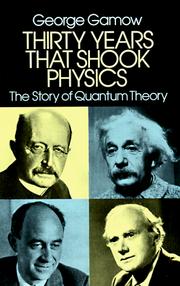
  1. Thirty Years that Shook Physics: The Story of Quantum Theory
  2. A History of π
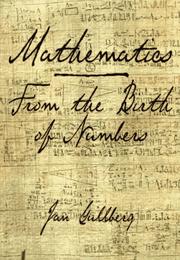
  3. Mathematics: From the Birth of Numbers
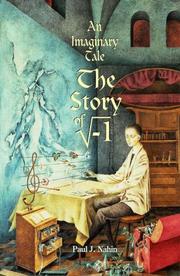
  4. An Imaginary Tale: The Story of the Square Root of Minus One

“If it was the chemistry that hooked you, try one of these.”

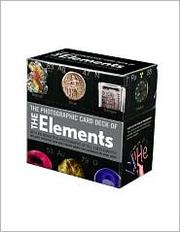
  1. Photographic Card Deck of The Elements: With Big Beautiful Photographs of All 118 Elements in the Periodic Table
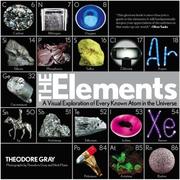
  2. Elements: A Visual Exploration of Every Known Atom in the Universe
  3. The World Of Carbon
  4. Seven Elements That Have Changed the World: An Adventure of Ingenuity and Discovery

“These start from a similar idea, even if they go somewhere else with it.”

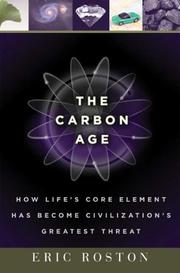
  1. The Carbon Age: How Life's Core Element Has Become Civilization's Greatest Threat
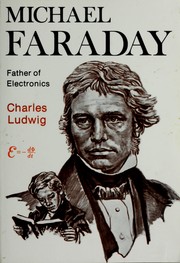
  2. Michael Faraday, Father of Electronics
  3. The Hermeneutics of the Subject: Lectures at the Collège de France, 1981-82
  4. Heaven and Earth: Global Warming: The Missing Science