
Healing Invisible Wounds: Paths to Hope and Recovery in a Violent World
Sign in to keep track of books you’ve read and want to read.
In these personal reflections on his thirty years of clinical work with victims of genocide, torture, and abuse in the United States, Cambodia, Bosnia, and other parts of the world, Richard Mollica describes the surprising capacity of traumatized people to heal themselves.
Read more
Healing Invisible Woundsreveals how trauma survivors, through the telling of their stories, teach all of us how to deal with the tragic events of everyday life. Mollica's important discovery that humiliation—an instrument of violence that also leads to anger and despair—can be transformed through his therapeutic project into solace and redemption is a remarkable new contribution to survivors and clinicians.
This book reveals how in every society we have to move away from viewing trauma survivors as "broken people" and "outcasts" to seeing them as courageous people actively contributing to larger social goals. When violence occurs, there is damage not only to individuals but to entire societies, and to the world. Through the journey of self-healing that survivors make, they enable the rest of us not only as individuals but as entire communities to recover from injury in a violent world.
Liked Healing Invisible Wounds: Paths to Hope and Recovery in a Violent World? Here’s where I’d start.
These suit anyone who liked Healing Invisible Wounds: Paths to Hope and Recovery in a Violent World. Sign in and mark a few books for picks shaped around your own taste.
-
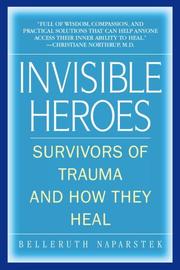 Invisible Heroes: Survivors of Trauma and How They Heal Shares trauma, psychology, nonfiction
 -
 Trauma and Memory: Brain and Body in a Search for the Living Past: A Practical Guide for Understanding and Working with Traumatic Memory Shares trauma, psychology, nonfiction
 -
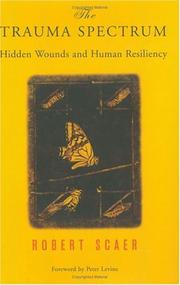 The Trauma Spectrum: Hidden Wounds and Human Resiliency Shares trauma, psychology, nonfiction
 -
 Trauma and the Avoidant Client: Attachment-Based Strategies for Healing Shares trauma, psychology, nonfiction
“If you want more of the same (psychology), start with these.”


“If it was the trauma that hooked you, try one of these.”

“These start from a similar idea, even if they go somewhere else with it.”
-
 Overcoming Trauma through Yoga: Reclaiming Your Body
-
 The Boy Who Was Raised as a Dog: And Other Stories from a Child Psychiatrist's Notebook
-
 It's My Life Now: Starting Over After an Abusive Relationship or Domestic Violence
-
 On the Threshold of Hope: Opening the Door to Hope and Healing for Survivors of Sexual Abuse