Cover of Darwin's Worms: On Life Stories and Death Stories

Darwin's Worms: On Life Stories and Death Stories

Adam Phillips has been called "the psychotherapist of the floating world" and "the closest thing we have to a philosopher of happiness." His style is epigrammatic; his intelligence, electric. His new book, Darwin's Worms, uses the biographical details of Darwin's and Freud's lives to examine endings-suffering, mortality, extinction, and death. Both Freud and Darwin were interested in how destruction conserves life. They took their inspiration from fossils or from half-remembered dreams. Each told a story that has altered our perception of our lives. For Darwin, Phillips explains, "the story to tell was how species can drift towards extinction; for Freud, the story was how the individual tended to, and tended towards his own death." In each case, it is a death story that uniquely illuminates the life story.

Audience
adult
Length
short · 160 pages

Click a tag to see books like this one that share it. Point at it (on a phone, tap it) for less of it instead.

Read it? Sign in to help tag it.

Liked Darwin's Worms: On Life Stories and Death Stories? Here’s where I’d start.

These suit anyone who liked Darwin's Worms: On Life Stories and Death Stories. Sign in and mark a few books for picks shaped around your own taste.


  1. The Worm at the Core: On the Role of Death in Life Shares psychology, nonfiction, philosophy
  2. The Denial of Death Shares philosophy, psychology, nonfiction
  3. Martin Heidegger Shares philosophy, nonfiction
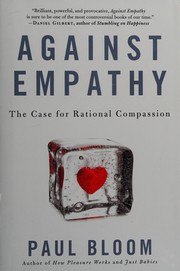
  4. Against Empathy: The Case for Rational Compassion Shares psychology, nonfiction, philosophy

“People who read Darwin's Worms: On Life Stories and Death Stories tend to reach for these next.”

  1. The Double Helix: Annotated and Illustrated
  2. Nomad Codes: Adventures in Modern Esoterica
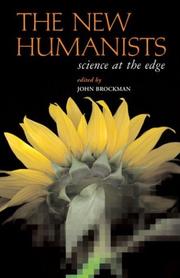
  3. The New Humanists: Science at the Edge
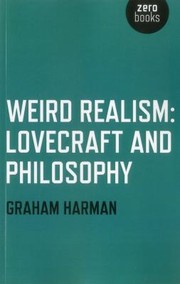
  4. Weird Realism: Lovecraft and Philosophy

“If you want more of the same (philosophy), start with these.”

  1. Thought: A Very Short Introduction
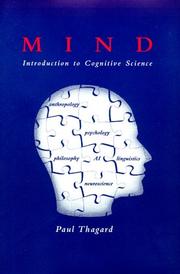
  2. Mind: Introduction To Cognitive Science
  3. The Illusion of Conscious Will
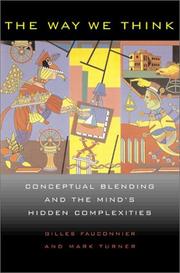
  4. The Way We Think: Conceptual Blending and The Mind's Hidden Complexities

“If it was the psychology that hooked you, try one of these.”

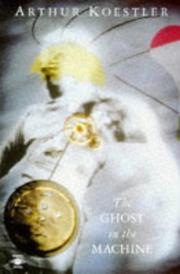
  1. The Ghost in the Machine
  2. Science and the Afterlife Experience: Evidence for the Immortality of Consciousness
  3. The Natural Science of Stupidity
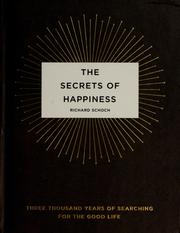
  4. The Secrets of Happiness: Three Thousand Years of Searching for the Good Life

“These start from a similar idea, even if they go somewhere else with it.”

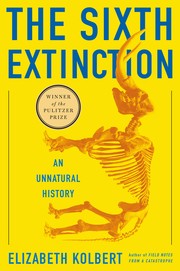
  1. The Sixth Extinction: An Unnatural History
  2. Fossils Tell of Long Ago
  3. The Mind's Sky: Human Intelligence in a Cosmic Context
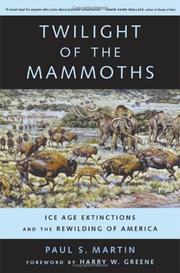
  4. Twilight of the Mammoths: Ice Age Extinctions and the Rewilding of America