Introduction to Cosmology
Sign in to keep track of books you’ve read and want to read.
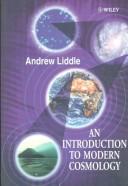
"Introduction to Cosmology" provides a rare combination of a solid foundation of the core physical concepts of cosmology and the most recent astronomical observations. The book is designed for advanced undergraduates or beginning graduate students and assumes no prior knowledge of general relativity. An emphasis is placed on developing the readers' physical insight rather than losing them with complex math. An approachable writing style and wealth of fresh and imaginative analogies from "everyday" physics are used to make the concepts of cosmology more accessible. The book is unique in that it not only includes recent major developments in cosmology, like the cosmological constant and accelerating universe, but also anticipates key developments expected in the next few years, such as detailed results on the cosmic microwave background.
Liked Introduction to Cosmology? Here’s where I’d start.
These suit anyone who liked Introduction to Cosmology. Sign in and mark a few books for picks shaped around your own taste.