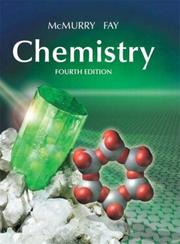
Cover of General Chemistry: Principles and Modern Applications

General Chemistry: Principles and Modern Applications

This college-level textbook introduces the core principles of general chemistry and shows how they connect to modern practical applications. Its explanations aim for clarity and precision, supported by a large set of problems meant to build understanding and test problem-solving skills. The revised edition expands its treatment of organic chemistry and draws on visual learning to help students grasp difficult ideas. Written for students starting out in the subject, the book suits a first course and works as a reliable reference for anyone who needs a solid foundation in the field.

Audience
adult
Length
epic · 798 pages

Click a tag to see books like this one that share it. Point at it (on a phone, tap it) for less of it instead.

Read it? Sign in to help tag it.

Liked General Chemistry: Principles and Modern Applications? Here’s where I’d start.

These suit anyone who liked General Chemistry: Principles and Modern Applications. Sign in and mark a few books for picks shaped around your own taste.
  1. General Chemistry: The Essential Concepts [with ArisPlus Access Code] Shares textbooks, chemistry, science
  2. The Struggle for Europe Shares nonfiction
  3. Chemistry Shares textbooks, chemistry, science
  4. Fundamentals of Organic Chemistry Shares textbooks, chemistry, science

“People who read General Chemistry: Principles and Modern Applications tend to reach for these next.”

  1. The Dictionary of Mythology: An A-Z of Themes, Legends and Heroes
  2. The Great Escape: A Canadian Story
  3. University Physics with Modern Physics
  4. Israel/Palestine

“If you want more of the same (science), start with these.”

  1. Murach's Java Servlets and JSP
  2. Inorganic Chemistry: Principles of Structure and Reactivity
  3. Java 8 Pocket Guide
  4. Life Everywhere: The New Science Of Astrobiology

“If it was the textbooks that hooked you, try one of these.”

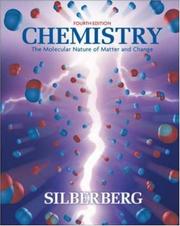
  1. Chemistry: The Molecular Nature of Matter and Change
  2. Physical Chemistry
  3. Organic Chemistry
  4. Organic Chemistry

“These start from a similar idea, even if they go somewhere else with it.”

  1. Thomas' calculus
  2. Basic Chemistry
  3. Economics
  4. Chemistry