The Creative Brain: The Science of Genius
Sign in to keep track of books you’ve read and want to read.
Michelangelo was raised in a rustic village by a family of modest means. Shakespeare's father was a middle-class businessman. Abraham Lincoln came from a family of itinerant farmers. Yet all these men broke free from their limited circumstances and achieved brilliant careers as creative artists and leaders. How such extraordinary creativity develops in the human brain is the subject of renowned psychiatrist Nancy Andreasen's The Creating Brain.
Read more
Andreasen explains here how the brain produces creative breakthroughs in art, literature, and science, revealing that creativity is not the same thing as intelligence. She scrutinizes the complex factors involved in the development of creativity, including the role of patrons and mentors, "non-standard" educations, and the possession of an "omnivorous" vision. A fascinating interview with acclaimed playwright Neil Simon sheds further light on the creative process.The relationship between genius and insanity also plays an important role in Andreasen's examination. Drawing on her studies of writers in the Iowa Writers' Workshop and other scientific evidence, Andreasen asserts that while creativity may sometimes be linked to mental disorders and may be partially due to familial/genetic factors, neither is inevitable nor needed for creativity to flourish.
Scientist's increasing understanding of the brain's plasticity suggests even more possibilities for nurturing the creative drive, and Andreasen looks ahead to exciting implications for child-rearing and education. The Creating Brainpresents an inspiring vision for a future where everyone—not just artists or writers—can fulfill their creative capacity.
Liked The Creative Brain: The Science of Genius? Here’s where I’d start.
These suit anyone who liked The Creative Brain: The Science of Genius. Sign in and mark a few books for picks shaped around your own taste.
-
 Smart World: Breakthrough Creativity And the New Science of Ideas Shares creativity, neuroscience, psychology
 -
 Wired to Create: Unraveling the Mysteries of the Creative Mind Shares creativity, psychology, nonfiction
 -
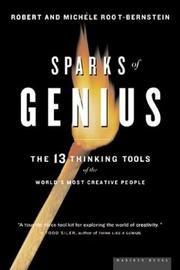 Sparks of Genius: The Thirteen Thinking Tools of the World's Most Creative People Shares creativity, psychology, nonfiction
 -
 The Science of Consequences: How They Affect Genes, Change the Brain, and Impact Our World Shares psychology, neuroscience, science
“People who read The Creative Brain: The Science of Genius tend to reach for these next.”
-
 The Three-Pound Enigma: The Human Brain and the Quest to Unlock Its Mysteries
-
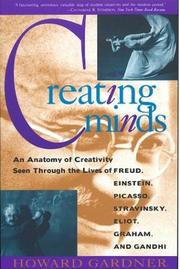 Creating Minds: An Anatomy of Creativity as Seen Through the Lives of Freud, Einstein, Picasso, Stravinsky, Eliot, Graham, and Gandhi
-
 Learning in Adulthood: A Comprehensive Guide
-
 101 Theory Drive: A Neuroscientist's Quest for Memory