The Right Stuff
Sign in to keep track of books you’ve read and want to read.
Tom Wolfe began The Right Stuffat a time when it was unfashionable to contemplate American heroism. Nixon had left the White House in disgrace, the nation was reeling from the catastrophe of Vietnam, and in 1979—the year the book appeared—Americans were being held hostage by Iranian militants. Yet it was exactly the anachronistic courage of his subjects that captivated Wolfe. In his foreword, he notes that as late as 1970, almost one in four career Navy pilots died in accidents. "The Right Stuff," he explains, "became a story of why men were willing—willing?—delighted!—to take on such odds in this, an era literary people had long since characterized as the age of the anti-hero." Wolfe's roots in New Journalism were intertwined with the nonfiction novel that Truman Capote had pioneered with In Cold Blood. As Capote did, Wolfe tells his story from a limited omniscient perspective, dropping into the lives of his "characters" as each in turn becomes a major player in the space program. After an opening chapter on the terror of being a test pilot's wife, the story cuts back to the late 1940s, when Americans were first attempting to break the sound barrier. Test pilots, we discover, are people who live fast lives with dangerous machines, not all of them airborne. Chuck Yeager was certainly among the fastest, and his determination to push through Mach 1—a feat that some had predicted would cause the destruction of any aircraft—makes him the book's guiding spirit.
Read more
Yet soon the focus shifts to the seven initial astronauts. Wolfe traces Alan Shepard's suborbital flight and Gus Grissom's embarrassing panic on the high seas (making the controversial claim that Grissom flooded his Liberty capsule by blowing the escape hatch too soon). The author also produces an admiring portrait of John Glenn's apple-pie heroism and selfless dedication. By the time Wolfe concludes with a return to Yeager and his late-career exploits, the narrative's epic proportions and literary merits are secure. Certainly The Right Stuffis the best, the funniest, and the most vivid book ever written about America's manned space program. —Patrick O'Kelley
Liked The Right Stuff? Here’s where I’d start.
These suit anyone who liked The Right Stuff. Sign in and mark a few books for picks shaped around your own taste.
-
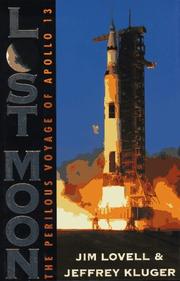 Lost Moon: The Perilous Voyage of Apollo 13 Shares nonfiction, space, history
 -
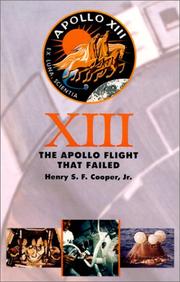 XIII: The Apollo Flight That Failed Shares nonfiction, history, space
 -
 Rocket Men: The Epic Story of the First Men on the Moon Shares nonfiction, history, space
 -
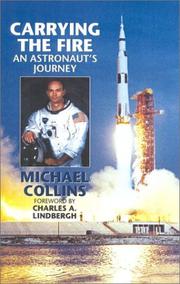 Carrying the Fire: An Astronaut's Journey Shares nonfiction, space, history
“People who read The Right Stuff tend to reach for these next.”
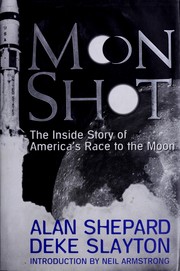
“If you want more of the same (history about american history), start with these.”
-
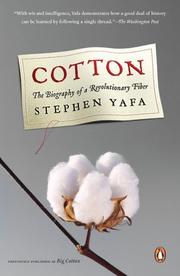 Cotton: The Biography of a Revolutionary Fiber
-
 Phenomena: The Secret History of the U.S. Government's Investigations into Extrasensory Perception and Psychokinesis
-
 Empire of the Air: The Men Who Made Radio
-
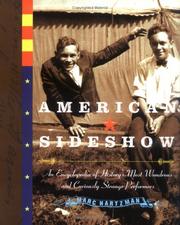 American Sideshow: An Encyclopedia of History's Most Wondrous and Curiously Strange Performers