Computer Power and Human Reason: From Judgment to Calculation
Sign in to keep track of books you’ve read and want to read.
Joseph Weizenbaum, the MIT computer scientist who built the early conversation program ELIZA, questions how far computers should be trusted to take over human work. He separates calculation, which machines do well, from judgment, which he argues depends on human wisdom, emotion and moral understanding. Drawing on his experience with programs and their reception, he criticises the claims made for artificial intelligence and warns against handing decisions to machines simply because they can perform the calculations. The book ranges across psychology, philosophy and the social consequences of computing, asking what it means to be human when so much of thinking has been mechanised. Written in 1976, it remains a touchstone in debates about technology and ethics.
Liked Computer Power and Human Reason: From Judgment to Calculation? Here’s where I’d start.
These suit anyone who liked Computer Power and Human Reason: From Judgment to Calculation. Sign in and mark a few books for picks shaped around your own taste.
-
What Computers Still Can't Do: A Critique of Artificial Reason Shares philosophy, technology, computer science
-
 The Machine Question: Critical Perspectives on AI, Robots, and Ethics Shares philosophy, technology, AI
-
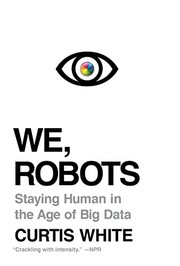 We, Robots: Staying Human in the Age of Big Data Shares philosophy, technology, nonfiction
-
The Psychology of Computer Programming Shares programming, computer science, technology