
Dialogue
Elements of Fiction Writing series Scene & Structure(1993) →
Sign in to keep track of books you’ve read and want to read.
This guide shows how to use speech on the page to make conflict felt and to move a story forward. It explores how much dialogue a narrative should contain and how to weigh it against description, action, and other story elements so that none of them dominates. A central distinction runs through the discussion: the difference between dialogue that works on the page and the way people actually talk. Written for those learning the craft, it offers a practical look at one of fiction's most important tools, aiming to help writers create conversations that feel alive without simply copying everyday speech.
Liked Dialogue? Here’s where I’d start.
These suit anyone who liked Dialogue. Sign in and mark a few books for picks shaped around your own taste.

“People who read Dialogue tend to reach for these next.”
“If you want more of the same, start with these.”
-
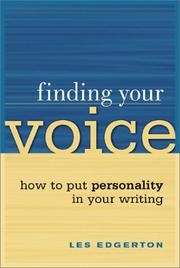 Finding Your Voice: How to Put Personality in Your Writing
- Writing in Overdrive: The Secrets to Writing Faster, Writing Freely, Writing Brilliantly
- The Book In A Box Method: The New Way to Quickly and Easily Write Your Book (Even If You're Not a Writer)
-
 The Describer's Dictionary: A Treasury of Terms & Literary Quotations
“If it was the writing that hooked you, try one of these.”

“These start from a similar idea, even if they go somewhere else with it.”
-
 Writing Vivid Dialogue: Professional Techniques for Fiction Authors (Writer's Craft Book 16)
-
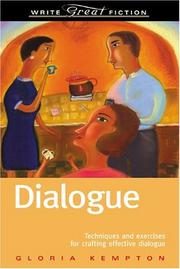 Dialogue: Techniques and exercises for crafting effective dialogue
-
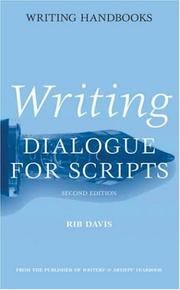 Writing Dialogue for Scripts: Effective Dialogue for Film, TV, Radio and Stage
- The Art and Craft of Writing Historical Fiction: Researching and Writing Historical Fiction