The Rational Imagination: How People Create Alternatives to Reality
Sign in to keep track of books you’ve read and want to read.
The human imagination remains one of the last uncharted terrains of the mind. This accessible and original monograph explores a central aspect of the imagination, the creation of counterfactual alternatives to reality, and claims that imaginative thoughts are guided by the same principles that underlie rational thoughts. Research has shown that rational thought is more imaginative than cognitive scientists had supposed; in The Rational Imagination, Ruth Byrne argues that imaginative thought is more rational than scientists have imagined.
Read more
People often create alternatives to reality and imagine how events might have turned out "if only" something had been different. Byrne explores the "fault lines" of reality, the aspects of reality that are more readily changed in imaginative thoughts. She finds that our tendencies to imagine alternatives to actions, controllable events, socially unacceptable actions, causal and enabling relations, and events that come last in a temporal sequence provide clues to the cognitive processes upon which the counterfactual imagination depends. The explanation of these processes, Byrne argues, rests on the idea that imaginative thought and rational thought have much in common.
Liked The Rational Imagination: How People Create Alternatives to Reality? Here’s where I’d start.
These suit anyone who liked The Rational Imagination: How People Create Alternatives to Reality. Sign in and mark a few books for picks shaped around your own taste.
-
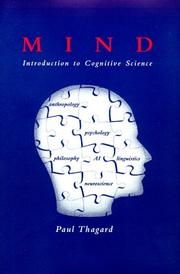 Mind: Introduction To Cognitive Science Shares cognitive science, psychology, philosophy
-
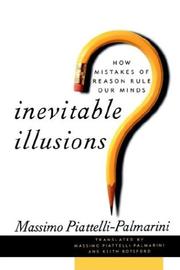 Inevitable Illusions: How Mistakes of Reason Rule Our Minds Shares thinking, philosophy, cognitive science
-
 Beyond the Brain: How Body and Environment Shape Animal and Human Minds Shares psychology, philosophy, science
-
 The Brain and the Meaning of Life Shares philosophy, cognitive science, psychology