
Caesar's Calendar: Ancient Time and the Beginnings of History
Sign in to keep track of books you’ve read and want to read.
The ancient Romans changed more than the map of the world when they conquered so much of it; they altered the way historical time itself is marked and understood. In this brilliant and exhilarating book Denis Feeney investigates time and its contours as described by the ancient Romans, first as Rome positioned itself in relation to Greece and then as it exerted its influence as a major world power. Feeney welcomes the reader into a world where time was moveable and changeable and where simply ascertaining a date required a complex and often contentious cultural narrative. He investigates the pertinent systems, including the Roman calendar, which is still our calendar, and its near perfect method of capturing the progress of natural time; the annual rhythm of consular government; the plotting of sacred time onto sacred space; the forging of chronological links to the past; and, above all, the experience of empire, by which the Romans meshed the city-state's concept of time with those of the foreigners they encoun-tered and thereby established a worldwide web of time.
Liked Caesar's Calendar: Ancient Time and the Beginnings of History? Here’s where I’d start.
These suit anyone who liked Caesar's Calendar: Ancient Time and the Beginnings of History. Sign in and mark a few books for picks shaped around your own taste.
-
 The Classical Compendium: A Miscellany of Scandalous Gossip, Bawdy Jokes, Peculiar Facts, and Bad Behavior from the Ancient Greeks and Romans Shares ancient Rome, history, nonfiction
-
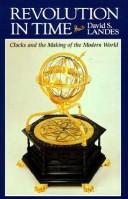 Revolution in Time: Clocks and the Making of the Modern World Shares time, history, nonfiction
-
 The Dance of Time: The Origins of the Calendar: A Miscellany of History and Myth, Religion and Astronomy, Festivals and Feast Days Shares history, time, nonfiction
-
 A History of the Ancient World: Rome Shares history, ancient Rome, nonfiction


