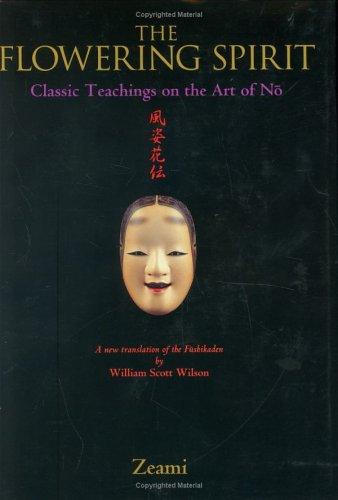
The Flowering Spirit: Classic Teachings on the Art of No
Sign in to keep track of books you’ve read and want to read.
The Flowering Spiritis a new translation of Fushikaden, the 15thcentury classic text by Zeami, founder of the No theater. Written sometime between 1400 and 1418, Fushikaden became a secret, sought-after guide to life for Zeamis acting troupe. Not until the latter part of the 19th century did Fushikaden gradually begin to make its way into the hands of the general public. Although Fushikaden is about No drama, Zeami incorporated into his text his philosophical outlook on the art of lifethe wayand how one goes about living according to these principles, providing invaluable teachings on the aesthetics and spiritual culture of Japan. No was the art form of choice for the samurai class; and many of its principles echo those of the martial arts. Zeami brought his wide-ranging education in Zen Buddhism, his knowledge of classical Japanese poetry, and his exposure to the aristocratic lifestyle to his writing of this classic work. In addition to his impeccable translation, William Scott Wilson has contributed several important adjunct pieces to Zeamis classic workan introduction about the history of No drama, copious notes explaining the background of the book, an appendix containing a translation of one of Zeamis greatest plays, Atsumori, and an afterword that connects No drama with the warrior class.
Liked The Flowering Spirit: Classic Teachings on the Art of No? Here’s where I’d start.
These suit anyone who liked The Flowering Spirit: Classic Teachings on the Art of No. Sign in and mark a few books for picks shaped around your own taste.
-
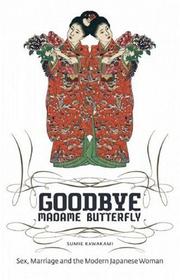 Goodbye Madame Butterfly: Sex, Marriage and the Modern Japanese Woman Shares Japan, japanese lit, nonfiction
 -
 The Heike Story: A Modern Translation of the Classic Tale of Love and War Shares Japan, japanese lit
 -
 The Maid Shares Japan, japanese lit
 -
 Hi! My Name is Loco and I am a Racist Shares Japan, nonfiction