Good Questions for Math Teaching, Grades K-6: Why Ask Them and What to Ask
Sign in to keep track of books you’ve read and want to read.
A practical guide for elementary teachers who want to strengthen their math lessons through questioning. The author explains why the questions a teacher asks matter, how they shape children's thinking and how they reveal what pupils understand. Chapters move through the kinds of questions that help students explain their reasoning, test their strategies and connect ideas, with examples drawn from classrooms from kindergarten through sixth grade. Each section pairs a rationale with sample questions that teachers can adapt, so the book works both as a short introduction and as a reference for planning. It is aimed at teachers and those who support them in developing math instruction.
Liked Good Questions for Math Teaching, Grades K-6: Why Ask Them and What to Ask? Here’s where I’d start.
These suit anyone who liked Good Questions for Math Teaching, Grades K-6: Why Ask Them and What to Ask. Sign in and mark a few books for picks shaped around your own taste.
-
 The Well-Balanced Teacher: How to Work Smarter and Stay Sane Inside the Classroom and Out Shares professional, teaching, education
-
 The Core Six: Essential Strategies for Achieving Excellence with the Common Core Shares professional, teaching, education
-
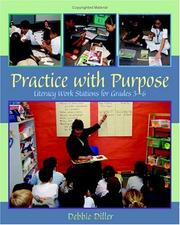 Practice with Purpose: Literacy Work Stations for Grades 3-6 Shares professional, teaching, education
-
 Uncommon Core: Where the Authors of the Standards Go Wrong about Instruction and How You Can Get It Right Shares professional, teaching, education
“If you want more of the same (education about teachers), start with these.”


“If it was the professional that hooked you, try one of these.”
-
 One to One: The Art of Conferring with Young Writers
- Choice Words: How Our Language Affects Children's Learning
- Blended Learning in Grades 4-12: Leveraging the Power of Technology to Create Student-Centered Classrooms
-
 The Strategic Teacher: Selecting the Right Research-Based Strategy for Every Lesson