The Tree Identification Book
Sign in to keep track of books you’ve read and want to read.
A new method for the practical identification and recognition of trees — and an important supplement to existing botanical methods.
Read more
The book is in two parts: Pictorial Keys and Master Pages. The Keys are designed for easy visual comparison of details which look alike, narrowing the identification of a tree to one of a small group — the family or genus.
Then, in the Master Pages, the species of the tree is determined, with similar details placed together to highlight differenceswithin the family group, thus eliminating all other possibilities. The details of the Oak trees on this plate are an example of the system.
All of the more than 1500 photographs were made specifically for use in this book and were taken either in the field or of carefully collected specimens. Where possible, details such as leaves, fruit, etc., appear in actual size, or in the same scale.
Liked The Tree Identification Book? Here’s where I’d start.
These suit anyone who liked The Tree Identification Book. Sign in and mark a few books for picks shaped around your own taste.
-
 Weeds of the Northeast Shares gardening, botany, nature
 -
 The American Woodland Garden: Capturing the Spirit of the Deciduous Forest Shares gardening, horticulture, garden
 -
 Planting Noah's Garden: Further Adventures in Backyard Ecology Shares gardening, garden, nature
 -
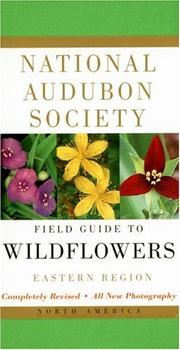 National Audubon Society Field Guide to North American Wildflowers: Eastern Region Shares nature, field guides, botany
“If you want more of the same (science about nature), start with these.”

“If it was the gardening that hooked you, try one of these.”
-
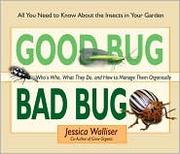 Good Bug Bad Bug: Who's Who, What They Do, and How to Manage Them Organically (All You Need to Know about the Insects in Your Garden)
-
 Weeds: How Vagabond Plants Gatecrashed Civilisation and Changed the Way We Think About Nature
-
 The Living Landscape: Designing for Beauty and Biodeversity in the Home Garden
-
 Manual of Woody Landscape Plants: Their Identification, Ornamental Characteristics, Culture, Propagation and Uses