What Your First Grader Needs to Know: Fundamentals of a Good First-Grade Education
Core Knowledge series What Your Third Grader Needs to Know: Fundamentals of a Good Third-Grade Education (Core Knowledge Series)(1992) →
Sign in to keep track of books you’ve read and want to read.
Give your child a smart start with
What Your First Grader Needs to Know
What will your child be expected to learn in the first grade? How can you help him or her at home? How can teachers foster active, successful learning in the classroom? This book answers these all-important questions and more, offering the specific shared knowledge that hundreds of parents and teachers across the nation have agreed upon for American first graders. Featuring a new Introduction, filled with opportunities for reading aloud and fostering discussion, this first-grade volume of the acclaimed Core Knowledge Series presents the sort of knowledge and skills that should be at the core of a challenging first-grade education. Inside you'll discover
Read more
* Favorite poems—old and new, such as "The Owl and the Pussycat," "Wynken, Blynken, and Nod," and "Thirty Days Hath September"
* Beloved stories—from many times and lands, including a selection of Aesop's fables, "Hansel and Gretel," "All Stories Are Anansi's," "The Tale of Peter Rabbit," and much more
* Familiar sayings and phrases—such as "Do unto others as you would have them do unto you" and "Practice makes perfect"
* World and American history and geography—take a trip down the Nile with King Tut and learn about the early days of our country, including the story of Jamestown, the Pilgrims, and the American Revolution
* Visual arts—fun activities plus full-color reproductions of masterworks by Leonardo da Vinci, Vincent van Gogh, Paul Cezanne, Georgia O'Keeffe, and others
* Music—engaging introductions to great composers and music, including classical music, opera, and jazz, as well as a selection of favorite children's songs
* Math—a variety of activities to help your child learn to count, add and subtract, solve problems, recognize geometrical shapes and patterns, and learn about telling time
* Science—interesting discussions of living things and their habitats, the human body, the states of matter, electricity, our solar system, and what's inside the earth, plus stories of famous scientists such as Thomas Edison and Rachel Carson
Liked What Your First Grader Needs to Know: Fundamentals of a Good First-Grade Education? Here’s where I’d start.
These suit anyone who liked What Your First Grader Needs to Know: Fundamentals of a Good First-Grade Education. Sign in and mark a few books for picks shaped around your own taste.
-
 What Your 2nd Grader Needs to Know Shares education, homeschool, homeschooling
 -
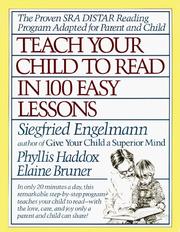 Teach Your Child to Read in 100 Easy Lessons Shares homeschool, education, homeschooling
 -
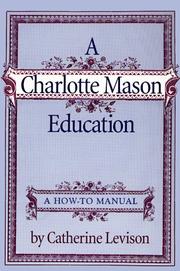 A Charlotte Mason Education: A Home Schooling How-To Manual Shares homeschool, education, homeschooling
 -
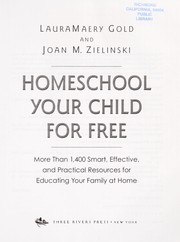 Homeschool Your Child for Free: More Than 1,200 Smart, Effective, and Practical Resources for Home Education on the Internet and Beyond Shares homeschool, homeschooling, education
“People who read What Your First Grader Needs to Know: Fundamentals of a Good First-Grade Education tend to reach for these next.”
-
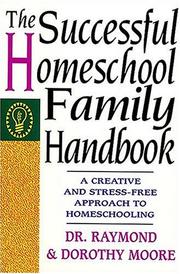 The Successful Homeschool Family Handbook
-
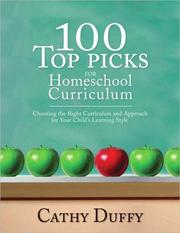 100 Top Picks for Homeschool Curriculum: Choosing the Right Educational Philosophy for Your Child's Learning Style
-
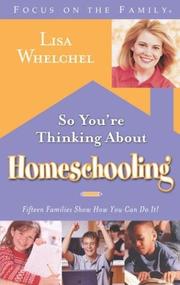 So You're Thinking About Homeschooling: Fifteen Families Show How You Can Do It
-
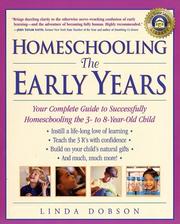 Homeschooling: The Early Years: Your Complete Guide to Successfully Homeschooling the 3- to 8- Year-Old Child
“If you want more of the same (education about parenting), start with these.”


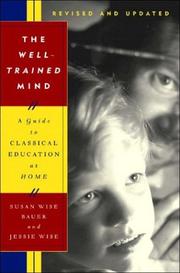
“If it was the homeschool that hooked you, try one of these.”
-
 Games for Writing: Playful Ways to Help Your Child Learn to Write
-
 A Thomas Jefferson Education Home Companion
- Passion-Driven Education: How to Use Your Child's Interests to Ignite a Lifelong Love of Learning
-
 Games for Learning: Ten Minutes a Day to Help Your Child Do Well in School—From Kindergarten to Third Grade