On Knowing: Essays for the Left Hand
Sign in to keep track of books you’ve read and want to read.
The left hand has traditionally represented the powers of intuition, feeling, and spontaneity. In this classic book, Jerome Bruner inquires into the part these qualities play in determining how we know what we do know; how we can help others to know—that is, to teach; and how our conception of reality affects our actions and is modified by them.
Read more
The striking and subtle discussions contained in On Knowingtake on the core issues concerning man's sense of self: creativity, the search for identity, the nature of aesthetic knowledge, myth, the learning process, and modern-day attitudes toward social controls, Freud, and fate. In this revised, expanded edition, Bruner comments on his personal efforts to maintain an intuitively and rationally balanced understanding of human nature, taking into account the odd historical circumstances which have hindered academic psychology's attempts in the past to know man.
Writing with wit, imagination, and deep sympathy for the human condition, Jerome Bruner speaks here to the part of man's mind that can never be completely satisfied by the right-handed virtues of order, rationality, and discipline.
Liked On Knowing: Essays for the Left Hand? Here’s where I’d start.
These suit anyone who liked On Knowing: Essays for the Left Hand. Sign in and mark a few books for picks shaped around your own taste.

“People who read On Knowing: Essays for the Left Hand tend to reach for these next.”
-
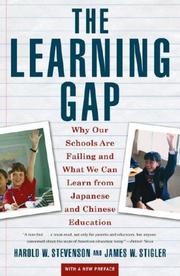 Learning Gap: Why Our Schools Are Failing And What We Can Learn From Japanese And Chinese Educ
-
 The Phenomenological Mind: An Introduction to Philosophy of Mind and Cognitive Science
-
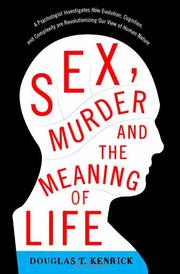 Sex, Murder, and the Meaning of Life: A Psychologist Investigates How Evolution, Cognition, and Complexity are Revolutionizing our View of Human Nature
-
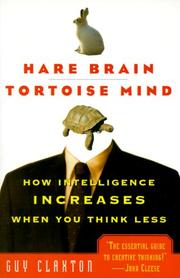 Hare Brain, Tortoise Mind: How Intelligence Increases When You Think Less