Barbarians to Angels: The Dark Ages Reconsidered
Sign in to keep track of books you’ve read and want to read.
The barbarians who destroyed the glory that was Rome demolished civilization along with it, and for the next four centuries the peasants and artisans of Europe barely held on. Random violence, mass migration, disease, and starvation were the only way of life. This is the picture of the Dark Ages that most historians promote. But archaeology tells a different story. Peter S. Wells, one of the world's leading archaeologists, surveys the archaeological record to demonstrate that the Dark Ages were not dark at all. The kingdoms of Christendom that emerged starting in the ninth century sprang from a robust, previously little-known, European culture, albeit one that left behind few written texts. This recently recognized culture achieved heights in artistry, technology, craft production, commerce, and learning. Future assessments of the period between Rome and Charlemagne will need to incorporate this fresh new picture.
Liked Barbarians to Angels: The Dark Ages Reconsidered? Here’s where I’d start.
These suit anyone who liked Barbarians to Angels: The Dark Ages Reconsidered. Sign in and mark a few books for picks shaped around your own taste.
-
 Before France and Germany: The Creation and Transformation of the Merovingian World Shares history, nonfiction, dark ages
 -
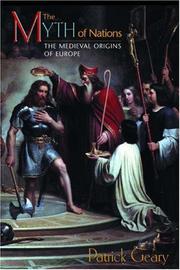 The Myth of Nations: The Medieval Origins of Europe Shares history, nonfiction, medieval
 -
 Millennium: The End of the World and the Forging of Christendom Shares history, nonfiction, medieval history
 -
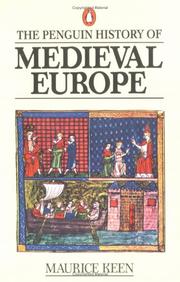 The Penguin History of Medieval Europe Shares history, nonfiction, medieval