Cover of GIS Fundamentals: A First Text on Geographic Information Systems

GIS Fundamentals: A First Text on Geographic Information Systems

Maps on phones and navigation systems now rely on spatial data that once belonged only to specialists. This textbook explains the principles behind how computers store and analyze that data, written for readers with no background in computer science. It opens with a basic introduction to how computers work and are programmed, then turns to ways of storing vector and raster information and the algorithms that handle tasks such as finding where lines cross. Later chapters cover surfaces, networks, and the search for shortest routes, along with heuristic methods for real-world problems. The closing sections consider problems so complex that no optimal answer is known, such as the traveling salesman puzzle.

Audience
adult
Length
epic · 620 pages

Click a tag to see books like this one that share it. Point at it (on a phone, tap it) for less of it instead.

Read it? Sign in to help tag it.

Liked GIS Fundamentals: A First Text on Geographic Information Systems? Here’s where I’d start.

These suit anyone who liked GIS Fundamentals: A First Text on Geographic Information Systems. Sign in and mark a few books for picks shaped around your own taste.

  1. Realms, Regions and Concepts Shares textbooks, geography, nonfiction
  2. Literature to Go Shares textbooks, nonfiction
  3. Urinalysis and Body Fluids Shares textbooks, nonfiction
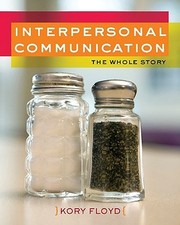
  4. Interpersonal Communication Shares textbooks, nonfiction

“If you want more of the same (geography about work), start with these.”

  1. The ESRI Guide to GIS Analysis, Volume 2: Spatial Measurements and Statistics
  2. Designing Better Maps: A Guide for GIS Users
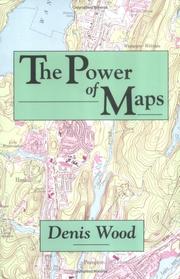
  3. The Power of Maps
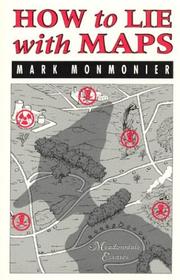
  4. How to Lie with Maps

“If it was the textbooks that hooked you, try one of these.”

  1. Business Law: The Ethical, Global, and E-Commerce Environment
  2. Writing about Literature: A Portable Guide
  3. Signing Naturally Student Workbook: Dvd Edition (Units 7 12)
  4. Archaeology

“These start from a similar idea, even if they go somewhere else with it.”

  1. Problem Solving with Algorithms and Data Structures Using Python
  2. Combinatorial Optimization: Algorithms and Complexity
  3. Essential Algorithms: A Practical Approach to Computer Algorithms
  4. Programming Collective Intelligence: Building Smart Web 2.0 Applications