Why We Make Mistakes: How We Look Without Seeing, Forget Things in Seconds, and Are All Pretty Sure We Are Way Above Average
Sign in to keep track of books you’ve read and want to read.
We forget our passwords. We pay too much to go to the gym. We think we'd be happier if we lived in California (we wouldn't), and we think we should stick with our first answer on tests (we shouldn't). Why dowe make mistakes? And could we do a little better?
Read more
We human beings have design flaws. Our eyes play tricks on us; our stories change in the retelling; and most of us are fairly sure we're way above average. In Why We Make Mistakes, journalist Joseph T. Hallinan sets out to explore the captivating science of human error—how we think, see, remember, and forget, and how this sets us up for wholly irresistible mistakes.
In his quest to understand our imperfections, Hallinan delves into psychology, neuroscience, and economics, with forays into aviation, consumer behavior, geography, football, stock picking, and more. He discovers that some of the same qualities that make us efficient also make us error prone. Why We Make Mistakesis enlivened by real-life stories—of weathermen whose predictions are uncannily accurate and a witness who sent an innocent man to jail—and offers valuable advice, such as how to remember where you've hidden something important. He explains why multitasking is a bad idea, why men make errors women don't, and why most people mistakenly believe San Diego is west of Reno. Why We Make Mistakeswill open your eyes to the reasons behind your mistakes and have you vowing to do better the next time.
Liked Why We Make Mistakes: How We Look Without Seeing, Forget Things in Seconds, and Are All Pretty Sure We Are Way Above Average? Here’s where I’d start.
These suit anyone who liked Why We Make Mistakes: How We Look Without Seeing, Forget Things in Seconds, and Are All Pretty Sure We Are Way Above Average. Sign in and mark a few books for picks shaped around your own taste.
-
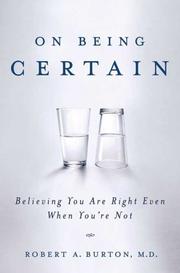 On Being Certain: Believing You Are Right Even When You're Not Shares psychology, nonfiction, science
 -
 Don't Believe Everything You Think: The 6 Basic Mistakes We Make in Thinking Shares psychology, nonfiction, science
 -
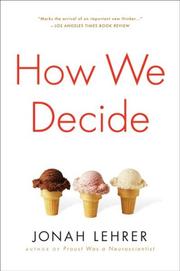 How We Decide Shares nonfiction, psychology, science
 -
 A Mind of Its Own: How Your Brain Distorts and Deceives Shares psychology, nonfiction, science
“People who read Why We Make Mistakes: How We Look Without Seeing, Forget Things in Seconds, and Are All Pretty Sure We Are Way Above Average tend to reach for these next.”


“If you want more of the same (psychology), start with these.”
“If it was the science that hooked you, try one of these.”
-
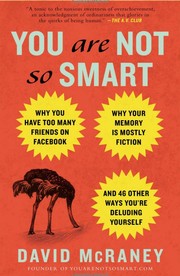 You Are Not So Smart: Why You Have Too Many Friends on Facebook, Why Your Memory Is Mostly Fiction, and 46 Other Ways You're Deluding Yourself
-
 Mastermind: How to Think Like Sherlock Holmes
-
 The Tell: The Little Clues That Reveal Big Truths about Who We Are
-
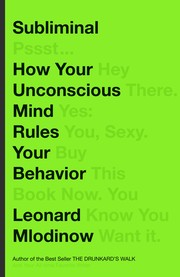 Subliminal: How Your Unconscious Mind Rules Your Behavior