The Devil's Tickets: A Vengeful Wife, a Fatal Hand, and a New American Age
Sign in to keep track of books you’ve read and want to read.
Kansas City, 1929: Myrtle and Jack Bennett sit down with another couple for an evening of bridge. As the game intensifies, Myrtle complains that Jack is a "bum bridge player." For such insubordination, he slaps her hard in front of their stunned guests and announces he is leaving. Moments later, sobbing, with a Colt .32 pistol
Read more
in hand, Myrtle fires four shots, killing her husband.
The Roaring 1920s inspired nationwide fads-flagpole sitting, marathon dancing, swimming-pool endurance floating. But of all the mad games that cheered Americans between the wars, the least likely was contract bridge. As the Barnum of the bridge craze, Ely Culbertson, a tuxedoed boulevardier with a Russian accent, used mystique, brilliance, and a certain madness to transform bridge from a social pastime into a cultural movement that made him rich and famous. In writings, in lectures, and on the radio, he used the Bennett killing to dramatize bridge as the battle of the sexes. Indeed, Myrtle Bennett's murder trial became a sensation because it brought a beautiful housewife-and hints of her husband's infidelity-from the bridge table into the national spotlight. James A. Reed, Myrtle's high-powered lawyer and onetime Democratic presidential candidate, delivered soaring, tear-filled courtroom orations. As Reed waxed on about the sanctity of womanhood, he was secretly conducting an extramarital romance with a feminist trailblazer who lived next door.
To the public, bridge symbolized tossing aside the ideals of the Puritans-who referred derisively to playing cards as "the Devil's tickets"-and embracing the modern age. Ina time when such fearless women as Amelia Earhart, Dorothy Parker, and Marlene Dietrich were exalted for their boldness, Culbertson positioned his game as a challenge to all housebound women. At the bridge table, he insisted, a woman could be her husband's equal, and more. In the gathering darkness of the Depression, Culbertson leveraged his own ballyhoo and naughty innuendo for all it was worth, maneuvering himself and his brilliant wife, Jo, his favorite bridge partner, into a media spectacle dubbed the Bridge Battle of the Century.
Through these larger-than-life characters and the timeless partnership game they played, The Devil's Ticketscaptures a uniquely colorful age and a tension in marriage that is eternal.
From the Hardcover edition.
Liked The Devil's Tickets: A Vengeful Wife, a Fatal Hand, and a New American Age? Here’s where I’d start.
These suit anyone who liked The Devil's Tickets: A Vengeful Wife, a Fatal Hand, and a New American Age. Sign in and mark a few books for picks shaped around your own taste.
-
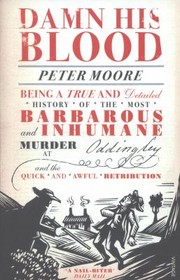 Damn His Blood: Being a True and Detailed History of the Most Barbarous and Inhumane Murder at Oddingley and the Quick and Awful Retribution Shares true crime, nonfiction, crime
 -
 The Peculiar Case of the Electric Constable: A True Tale of Passion, Poison and Pursuit Shares true crime, nonfiction, history
 -
 And the Dead Shall Rise: The Murder of Mary Phagan and the Lynching of Leo Frank Shares true crime, nonfiction, crime
 -
 The Fall of the House of Walworth: A Tale of Madness and Murder in Gilded Age America Shares true crime, nonfiction, history
“People who read The Devil's Tickets: A Vengeful Wife, a Fatal Hand, and a New American Age tend to reach for these next.”

“If you want more of the same (true crime about history), start with these.”

“If it was the history that hooked you, try one of these.”
-
 The Thieves of Threadneedle Street: The Incredible True Story of the American Forgers Who Nearly Broke the Bank of England
-
 A Complete History of the Mafia
-
 At the End of the World: A True Story of Murder in the Arctic
-
 Life: The Most Notorious Crimes in American History: Fifty Fascinating Cases from the Files