Anglo-Saxon Psychologies in the Vernacular and Latin Traditions
Toronto Anglo-Saxon Series series
Sign in to keep track of books you’ve read and want to read.
Old English verse and prose depict the human mind as a corporeal entity located in the chest cavity, susceptible to spatial and thermal changes corresponding to the psychological states: it was thought that emotions such as rage, grief, and yearning could cause the contents of the chest to grow warm, boil, or be constricted by pressure. While readers usually assume the metaphorical nature of such literary images, Leslie Lockett, in Anglo-Saxon Psychologies in the Vernacular and Latin Traditions, argues that these depictions are literal representations of Anglo-Saxon folk psychology.
Read more
Lockett analyses both well-studied and little-known texts, including Insular Latin grammars, The Ruin, the Old English Soliloquies, The Rhyming Poem, and the writings of Patrick, Bishop of Dublin. She demonstrates that the Platonist-Christian theory of the incorporeal mind was known to very few Anglo-Saxons throughout most of the period, while the concept of mind-in-the-heart remained widespread. Anglo-Saxon Psychologies in the Vernacular and Latin Traditionsexamines the interactions of rival - and incompatible - concepts of the mind in a highly original way.
Liked Anglo-Saxon Psychologies in the Vernacular and Latin Traditions? Here’s where I’d start.
These suit anyone who liked Anglo-Saxon Psychologies in the Vernacular and Latin Traditions. Sign in and mark a few books for picks shaped around your own taste.
-
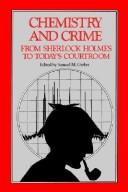 Chemistry and Crime from Sherlock Holmes to Todays Courtroom Shares medicine in literature, British, history
-
 The tell-tale eye Shares psychophysiology
-
 Shamanism And Old English Poetry Shares anglo saxons, British, history
-
Sherlock Holmes, Doctor Watson, and Victorian medicine Shares medicine in literature, British, history