I Read Where I Am: Exploring New Information Cultures
Sign in to keep track of books you’ve read and want to read.
When Guy Debord identified the image consumerism of "the society of the spectacle" in the 1960s, he could not have forecast that language would threaten to eclipse the image in the medium of personal technology, creating a world of ubiquitous legibility. Today, we read anytime and anywhere, on screens of all sizes; we read not only newspaper articles, but also databases, online archives, search engine results and navigational structures. We read while out on the street, at home or in the office, with a complete library to hand—but less and less we read a book at home on the couch. In other words, we are, or are becoming, a different kind of reader. I Read Where I Amcontains visionary texts about the future of reading and the status of the word in the digital age from designers, philosophers, journalists and politicians, looking at both sides of the argument for printed and digital reading matter.
Liked I Read Where I Am: Exploring New Information Cultures? Here’s where I’d start.
These suit anyone who liked I Read Where I Am: Exploring New Information Cultures. Sign in and mark a few books for picks shaped around your own taste.
-
The Electric Information Age Book: McLuhan/Agel/Fiore and the Experimental Paperback Shares information, design, technology
-
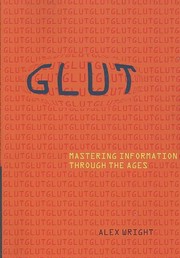 Glut: Mastering Information through the Ages Shares information, technology, nonfiction
-
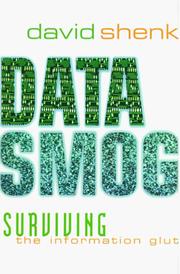 Data Smog: Surviving the Information Glut Shares information, technology, nonfiction
-
 Learning ActionScript 3.0: The Non-Programmer's Guide to ActionScript 3.0 Shares design, technology