The Future of Blasphemy: Speaking of the Sacred in an Age of Human Rights
Sign in to keep track of books you’ve read and want to read.
In the days of Moses, blasphemy was the mortal offence of failing to respect the divine. In an age of human rights, blasphemy is understood as a failure to respect persons, as insult, defamation, or "advocacy of religious hatred." The criminalisation of this personal blasphemy has been advanced at the United Nations and upheld by the European Court of Human Rights, which has asserted a universal "right to respect for religious feelings."
Read more
The Future of Blasphemyturns respect on its head. Respect demands that we grant each other equal standing in the moral community, not that we never offend. Politically, respect for citizens requires a public discourse that is open to all viewpoints. Going beyond the question of free speech versus religion, The Future of Blasphemydefends an ethical model of blasphemy. Controversies surrounding sacrilege are contests over what counts as sacred, disagreements about what has central, inviolable, and incommensurable value. In such public contestation of the sacred, each of usaEUR"secular and religious alikeaEUR"has equal right to speak on its behalf.
Liked The Future of Blasphemy: Speaking of the Sacred in an Age of Human Rights? Here’s where I’d start.
These suit anyone who liked The Future of Blasphemy: Speaking of the Sacred in an Age of Human Rights. Sign in and mark a few books for picks shaped around your own taste.
-
An Atheist Manifesto Shares atheism, religion, philosophy
-
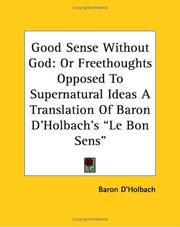 Good Sense Without God: Or Freethoughts Opposed to Supernatural Ideas a Translation of Baron D'Holbach's "Le Bon Sens" Shares philosophy, religion, atheism
-
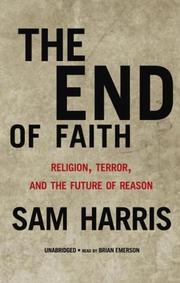 The End of Faith: Religion, Terror, and the Future of Reason Shares religion, atheism, philosophy
-
Against The Gods? Shares philosophy, atheism, religion