The Global Offensive: The United States, the Palestine Liberation Organization, and the Making of the Post-Cold War Order
Oxford Studies in International History series
Sign in to keep track of books you’ve read and want to read.
On March 21, 1968, Yasir Arafat and his guerrillas made the fateful decision to break with conventional guerrilla tactics, choosing to stand and fight an Israeli attack on the al-Karama refugee camp in Jordan. They suffered terrible casualties, but they won a stunning symbolic victory that transformed Arafat into an Arab hero and allowed him to launch a worldwide campaign, one that would reshape Cold War diplomacy and revolutionary movements everywhere.
Read more
In The Global Offensive, historian Paul Thomas Chamberlin offers new insights into the rise of the Palestine Liberation Organization in its full international context. After defeat in the 1967 war, the crushing of a guerrilla campaign on the West Bank, and the attack on al-Karama, Arafat and his fellow guerilla fighters opened a global offensive aimed at achieving national liberation for the Palestinian people. In doing so, they reinvented themselves as players on the world stage, combining controversial armed attacks, diplomacy, and radical politics. They forged a network of nationalist revolutionaries, making alliances with South African rebels, Latin American insurrectionists, and Vietnamese Communists. They persuaded the United Nations to take up their agenda, and sent Americans and Soviets scrambling as these stateless forces drew new connections across the globe. "The Vietnamese and Palestinian people have much in common," General Vo Nguyen Giap would tell Arafat, "just like two people suffering from the same illness." Richard Nixon's views mirrored Giap's: "You cannot separate what happens to America in Vietnam from the Mideast or from Europe or any place else."
Deftly argued and based on extensive new research, The Global Offensive will change the way we think of the history of not only the PLO, but also the Cold War and international relations since.
Liked The Global Offensive: The United States, the Palestine Liberation Organization, and the Making of the Post-Cold War Order? Here’s where I’d start.
These suit anyone who liked The Global Offensive: The United States, the Palestine Liberation Organization, and the Making of the Post-Cold War Order. Sign in and mark a few books for picks shaped around your own taste.
-
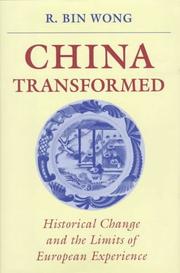 China Transformed Historical Change and the Limits of European Experience Shares global history, history, nonfiction
-
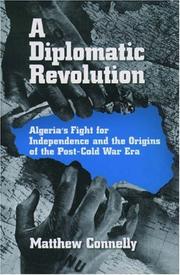 A Diplomatic Revolution: Algeria's Fight for Independence and the Origins of the Post-Cold War Era Shares global history, history, nonfiction
-
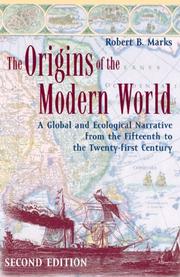 The Origins of the Modern World: A Global and Ecological Narrative from the Fifteenth to the Twenty-first Century Shares global history, history, nonfiction
-
 The Guardians: The League of Nations and the Crisis of Empire Shares global history, history, nonfiction