The Strange History of the American Quadroon: Free Women of Color in the Revolutionary Atlantic World
Sign in to keep track of books you’ve read and want to read.
Exotic, seductive, and doomed: the antebellum mixed-race free woman of color has long operated as a metaphor for New Orleans. Commonly known as a "quadroon," she and the city she represents rest irretrievably condemned in the popular historical imagination by the linked sins of slavery and interracial sex. However, as Emily Clark shows, the rich archives of New Orleans tell a different story. Free women of color with ancestral roots in New Orleans were as likely to marry in the 1820s as white women. And marriage, not concubinage, was the basis of their family structure. In The Strange History of the American Quadroon, Clark investigates how the narrative of the erotic colored mistress became an elaborate literary and commercial trope, persisting as a symbol that long outlived the political and cultural purposes for which it had been created. Untangling myth and memory, she presents a dramatically new and nuanced understanding of the myths and realities of New Orleans's free women of color.
Liked The Strange History of the American Quadroon: Free Women of Color in the Revolutionary Atlantic World? Here’s where I’d start.
These suit anyone who liked The Strange History of the American Quadroon: Free Women of Color in the Revolutionary Atlantic World. Sign in and mark a few books for picks shaped around your own taste.
-
 Loving: Interracial Intimacy in America and the Threat to White Supremacy Shares nonfiction, history, race
-
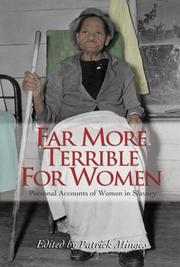 Far More Terrible for Women: Personal Accounts of Women in Slavery Shares history, nonfiction, feminism
-
The Black Calhouns: From Civil War to Civil Rights with One African American Family Shares nonfiction, history, african american experience
-
 The Elizabethan Underworld Shares history, nonfiction, non-fiction history