
Architecture in the Family Way: Doctors, Houses, and Women, 1870-1900
Sign in to keep track of books you’ve read and want to read.
Adams argues that the many significant changes seen in this period were due not to architects' efforts but to the work of feminists and health reformers. Contrary to the widely held belief that the home symbolized a refuge and safe haven to Victorians, Adams reveals that middle-class houses were actually considered poisonous and dangerous and explores the involvement of physicians in exposing "unhealthy" architecture and designing improved domestic environments. She examines the contradictory roles of middle-class women as both regulators of healthy houses and sources of disease and danger within their own homes, particularly during childbirth.
Liked Architecture in the Family Way: Doctors, Houses, and Women, 1870-1900? Here’s where I’d start.
These suit anyone who liked Architecture in the Family Way: Doctors, Houses, and Women, 1870-1900. Sign in and mark a few books for picks shaped around your own taste.
-
 The Rabbi's atheist daughter Shares women’s rights, 19th century, history
-
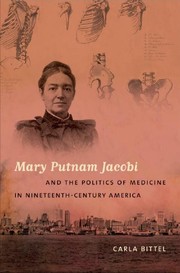 Mary Putnam Jacobi and the politics of medicine in nineteenth-century America Shares women’s rights, 19th century, history
-
 The precariously privileged Shares life style, history
-
 Making healthy places Shares life style, architecture, health
“If you want more of the same (health about art), start with these.”


“If it was the life style that hooked you, try one of these.”

“These start from a similar idea, even if they go somewhere else with it.”
-
 Suggestions for thought to the searchers after truth among the artizans of England
-
 The Architecture of Madness: Insane Asylums in the United States
-
 Adventures in Natural Childbirth: Tales from Women on the Joys, Fears, Pleasures, and Pains of Giving Birth Naturally
-
 More Than Medicine: A History of the Feminist Women's Health Movement