The Blood Telegram: Nixon, Kissinger, and a Forgotten Genocide
Sign in to keep track of books you’ve read and want to read.
A riveting history—the first full account—of the involvement of Richard Nixon and Henry Kissinger in the 1971 atrocities in Bangladesh that led to war between India and Pakistan, shaped the fate of Asia, and left in their wake a host of major strategic consequences for the world today.
Read more
Giving an astonishing inside view of how the White House really works in a crisis, The Blood Telegramis an unprecedented chronicle of a pivotal but little-known chapter of the Cold War. Gary J. Bass shows how Nixon and Kissinger supported Pakistan's military dictatorship as it brutally quashed the results of a historic free election. The Pakistani army launched a crackdown on what was then East Pakistan (today an independent Bangladesh), killing hundreds of thousands of people and sending ten million refugees fleeing to India—one of the worst humanitarian crises of the twentieth century.
Nixon and Kissinger, unswayed by detailed warnings of genocide from American diplomats witnessing the bloodshed, stood behind Pakistan's military rulers. Driven not just by Cold War realpolitik but by a bitter personal dislike of India and its leader Indira Gandhi, Nixon and Kissinger actively helped the Pakistani government even as it careened toward a devastating war against India. They silenced American officials who dared to speak up, secretly encouraged China to mass troops on the Indian border, and illegally supplied weapons to the Pakistani military—an overlooked scandal that presages Watergate.
Drawing on previously unheard White House tapes, recently declassified documents, and extensive interviews with White House staffers and Indian military leaders, The Blood Telegramtells this thrilling, shadowy story in full. Bringing us into the drama of a crisis exploding into war, Bass follows reporters, consuls, and guerrilla warriors on the ground—from the desperate refugee camps to the most secretive conversations in the Oval Office.
Bass makes clear how the United States' embrace of the military dictatorship in Islamabad would mold Asia's destiny for decades, and confronts for the first time Nixon and Kissinger's hidden role in a tragedy that was far bloodier than Bosnia. This is a revelatory, compulsively readable work of politics, personalities, military confrontation, and Cold War brinksmanship.
Liked The Blood Telegram: Nixon, Kissinger, and a Forgotten Genocide? Here’s where I’d start.
These suit anyone who liked The Blood Telegram: Nixon, Kissinger, and a Forgotten Genocide. Sign in and mark a few books for picks shaped around your own taste.
-
 The Great Partition: The Making of India and Pakistan Shares history, nonfiction, Pakistan
 -
 From the Ruins of Empire: The Revolt Against the West and the Remaking of Asia Shares history, nonfiction, India
 -
 Midnight's Descendants Shares India, history, Bangladesh
 -
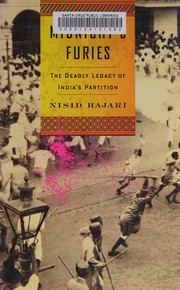 Midnight's Furies: The Deadly Legacy of India's Partition Shares nonfiction, history, India