Do Fathers Matter?: What Science Is Telling Us About the Parent We've Overlooked
Sign in to keep track of books you’ve read and want to read.
For too long, we've thought of fathers as little more than sources of authority and economic stability in the lives of their children. Yet cutting-edge studies drawing unexpected links between fathers and children are forcing us to reconsider our assumptions and ask new questions: What changes occur in men when they are "expecting"? Do fathers affect their children's language development? What are the risks and rewards of being an older-than-average father at the time the child is born? What happens to a father's hormone levels at every stage of his child's development, and can a child influence the father's health? Just how much do fathers matter?
Read more
In Do Fathers Matter?the award-winning journalist and father of five Paul Raeburn overturns the many myths and stereotypes of fatherhood as he examines the latest scientific findings on the parent we've often overlooked. Drawing on research from neuroscientists, animal behaviorists, geneticists, and developmental psychologists, among others, Raeburn takes us through the various stages of fatherhood, revealing the profound physiological connections between children and fathers, from conception through adolescence and into adulthood—and the importance of the relationship between mothers and fathers. In the process, he challenges the legacy of Freud and mainstream views of parental attachment, and also explains how we can become better parents ourselves.
Ultimately, Raeburn shows how the role of the father is distinctly different from that of the mother, and that embracing fathers' significance in the lives of young people is something we can all benefit from. An engrossing, eye-opening, and deeply personal book that makes a case for a new perspective on the importance of fathers in our lives no matter what our family structure, Do Fathers Matter?will change the way we view fatherhood today.
Liked Do Fathers Matter?: What Science Is Telling Us About the Parent We've Overlooked? Here’s where I’d start.
These suit anyone who liked Do Fathers Matter?: What Science Is Telling Us About the Parent We've Overlooked. Sign in and mark a few books for picks shaped around your own taste.
-
 Your Brain on Childhood: The Unexpected Side Effects of Classrooms, Ballparks, Family Rooms, and the Minivan Shares parenting, nonfiction, science
 -
 A Nation of Wimps: The High Cost of Invasive Parenting Shares parenting, nonfiction, psychology
 -
 The Teenage Brain: A Neuroscientist's Survival Guide to Raising Adolescents and Young Adults Shares parenting, nonfiction, psychology
 -
 Baby Meets World: Suck, Smile, Touch, Toddle: A Journey Through Infancy Shares parenting, nonfiction, science
“People who read Do Fathers Matter?: What Science Is Telling Us About the Parent We've Overlooked tend to reach for these next.”


“If you want more of the same (science about parenting), start with these.”

“If it was the parenting that hooked you, try one of these.”
-
 The Pressured Child: Helping Your Child Find Success in School and Life
-
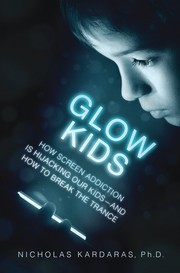 Glow Kids: How Screen Addiction Is Hijacking Our Kids -- And How to Break the Trance
-
 The Nurture Assumption: Why Children Turn Out the Way They Do
-
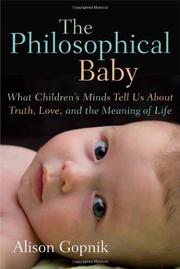 The Philosophical Baby: What Children's Minds Tell Us About Truth, Love, and the Meaning of Life