100 Words Every Middle Schooler Should Know
Sign in to keep track of books you’ve read and want to read.
More is expected of middle schoolers—more reading, more writing, more independent learning. Achieving success in this more challenging world requires knowing many more words. 100 Words Every Middle Schooler Should Knowhelps students in grades 6 to 8 (ages 11-14) to express themselves with distinction and get the most out of school.
Read more
The 100 words are varied and interesting, ranging from verbs like muster and replenish to nouns like havoc and restitution to adjectives like apprehensive and imperious. Knowing these words enables students to express themselves with greater clarity and subtlety. Each word has a definition and a pronunciation and appears with at least one quotation—a moving or dramatic passage—taken from a book that middle schoolers are assigned in the classroom or enjoy reading on their own.
Both classic and contemporary works of fiction and nonfiction are represented. Among the authors are young adult favorites and award-winners such as Kate Di Camillo, Russell Freedman, Neil Gaiman, E.L. Konigsberg, Lois Lowry, Walter Dean Myers, Katherine Paterson, J. K. Rowling, and Gary Soto. Readers can see for themselves that the words are used by the very best writers in the very best books. It stands to reason that they will see them again and again in higher grades and throughout their lives.
100 Words Every Middle Schooler Should Knowhelps students to gain useful knowledge and prepares them to step into a broader world.
Liked 100 Words Every Middle Schooler Should Know? Here’s where I’d start.
These suit anyone who liked 100 Words Every Middle Schooler Should Know. Sign in and mark a few books for picks shaped around your own taste.
-
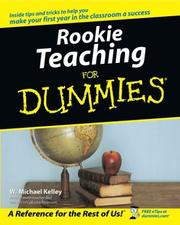 Rookie Teaching for Dummies Shares education, nonfiction
-
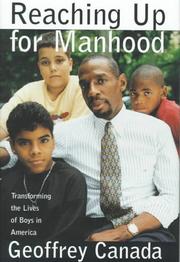 Reaching Up for Manhood: Transforming the Lives of Boys in America Shares education, nonfiction
-
 Hope and Despair in the American City: Why There Are No Bad Schools in Raleigh Shares education, nonfiction
-
 The New School: How the Information Age Will Save American Education from Itself Shares education, nonfiction
“If you want more of the same (education), start with these.”
-
 Designing Successful E-Learning: Forget What You Know about Instructional Design and Do Something Interesting
-
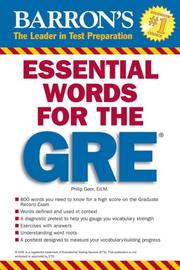 Essential Words for the GRE
-
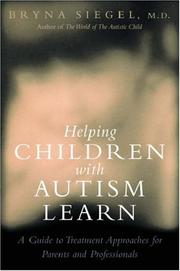 Helping Children with Autism Learn: Treatment Approaches for Parents and Professionals
-
 Homeschooling at the Speed of Life: Balancing Home, School, and Family in the Real World