
Lincoln and Emancipation
Concise Lincoln Library series
Sign in to keep track of books you’ve read and want to read.
In this succinct study, Edna Greene Medford examines the ideas and events that shaped President Lincoln's responses to slavery, following the arc of his ideological development from the beginning of the Civil War, when he aimed to pursue a course of noninterference, to his championing of slavery's destruction before the conflict ended. Throughout, Medford juxtaposes the president's motivations for advocating freedom with the aspirations of African Americans themselves, restoring African Americans to the center of the story about the struggle for their own liberation.
Read more
Lincoln and African Americans, Medford argues, approached emancipation differently, with the president moving slowly and cautiously in order to save the Union while the enslaved and their supporters pressed more urgently for an end to slavery. Despite the differences, an undeclared partnership existed between the president and slaves that led to both preservation of the Union and freedom for those in bondage. Medford chronicles Lincoln's transition from advocating gradual abolition to campaigning for immediate emancipation for the majority of the enslaved, a change effected by the military and by the efforts of African Americans. The author argues that many players—including the abolitionists and Radical Republicans, War Democrats, and black men and women—participated in the drama through agitation, military support of the Union, and destruction of the institution from within. Medford also addresses differences in the interpretation of freedom: Lincoln and most Americans defined it as the destruction of slavery, but African Americans understood the term to involve equality and full inclusion into American society. An epilogue considers Lincoln's death, African American efforts to honor him, and the president's legacy at home and abroad.
Both enslaved and free black people, Medford demonstrates, were fervent participants in the emancipation effort, showing an eagerness to get on with the business of freedom long before the president or the North did. By including African American voices in the emancipation narrative, this insightful volume offers a fresh and welcome perspective on Lincoln's America.
Liked Lincoln and Emancipation? Here’s where I’d start.
These suit anyone who liked Lincoln and Emancipation. Sign in and mark a few books for picks shaped around your own taste.
-
Tragic soul- life Shares civil rights, African American, race
-
 Polite Protest: The Political Economy of Race in Indianapolis, 1920-1970 Shares civil rights, race, African American
-
 Harry Truman and the Struggle for Racial Justice Shares civil rights, race, African American
-
Understanding and teaching American slavery Shares civil rights, race, African American
“If you want more of the same (politics about african american), start with these.”

“If it was the civil rights that hooked you, try one of these.”


“These start from a similar idea, even if they go somewhere else with it.”
-
 The Long Emancipation: The Demise of Slavery in the United States (The Nathan I. Huggins Lectures, Book 17)
-
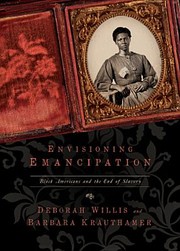 Envisioning Emancipation: Black Americans and the End of Slavery
-
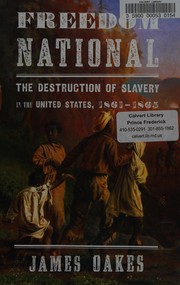 Freedom National: The Destruction of Slavery in the United States, 1861-1865
- More Than Freedom: Fighting for Black Citizenship in a White Republic, 1829-1889