Fracture: Life and Culture in the West, 1918-1938
Sign in to keep track of books you’ve read and want to read.
At the end of the First World War, the West was traumatized, impoverished, and facing a geopolitically uncertain future.
Read more
In "Fracture: Life and Culture in the West, 1918-1938", critically acclaimed historian Philipp Blom argues that, amid this uncertainty, Europeans and Americans directed their energies inwards toward aesthetic and intellectual self-discovery. Europe produced strange new brands of art, science, and spirituality—such as Surrealism and Art Deco—while flocking to exciting but dangerous new ideologies including communism and fascism. In America, the Harlem Renaissance marked the flourishing of black culture, and flappers sparked new thinking about the place of women in society. Yet undercurrents of racial and class conflict were pronounced, fueled by immigration quotas and the poverty of the Dust Bowl.
"Fracture: Life and Culture in the West, 1918-1938" is a sweeping evocation of the tumultuous interwar period, and the sublime cultural movements and terrifying ideologies it spawned.
Liked Fracture: Life and Culture in the West, 1918-1938? Here’s where I’d start.
These suit anyone who liked Fracture: Life and Culture in the West, 1918-1938. Sign in and mark a few books for picks shaped around your own taste.
-
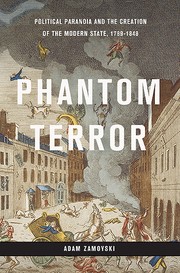 Phantom Terror: The Threat of Revolution and the Repression of Liberty 1789-1848 Shares history, nonfiction, european history
 -
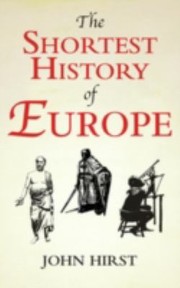 The Shortest History of Europe Shares history, nonfiction, Europe
 -
 Postwar: A History of Europe Since 1945 Shares history, nonfiction, european history
 -
 The Long Shadow: The Legacies of the Great War in the Twentieth Century Shares history, nonfiction, european history