
Gender and Pentecostal Revivalism: Making a Female Ministry in the Early Twentieth Century
Sign in to keep track of books you’ve read and want to read.
Gender and Pentecostal Revivalism provides an interdisciplinary, theoretically engaged answer to an enduring question for charismatic Christianities: how do women lead churches? By examining the ministries of two famous (and infamous) Pentecostal revivalists, Maria Woodworth-Etter and Aimee Semple McPherson, this study shows that a woman's success in the ministry was not simply about access to ordination. It was about establishing legitimacy as a woman and authority as a pastor - no small task in the early twentieth century. Woodworth-Etter and McPherson succeeded by drawing from popular feminine ideals and Pentecostal biblical models of womanhood to unite their two seemingly contradictory identities of woman and minister during the ritualized act of revivalist preaching. In the process, the women created biblical theologies that are alive and well in Pentecostal-charismatic circles today. Their negotiations of gender, race, class, and religious leadership continue to inspire generations of imitators, and their stories illuminate how female ministers were made in early twentieth-century America.
Liked Gender and Pentecostal Revivalism: Making a Female Ministry in the Early Twentieth Century? Here’s where I’d start.
These suit anyone who liked Gender and Pentecostal Revivalism: Making a Female Ministry in the Early Twentieth Century. Sign in and mark a few books for picks shaped around your own taste.
-
 Diary of Signs and Wonders Shares women clergy, women, religion
-
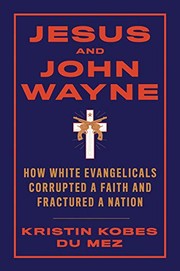 Jesus and John Wayne Shares evangelicalism, church history, USA
-
 There's a Woman in the Pulpit: Christian Clergywomen Share Their Hard Days, Holy Moments and the Healing Power of Humor Shares women clergy, Christian
-
 The Surprising Work of God: Harold John Ockenga, Billy Graham, and the Rebirth of Evangelicalism Shares evangelicalism, church history, religion


