Plot Fiction like the Masters
Sign in to keep track of books you’ve read and want to read.
Plot Fiction like the Masters is an exercise in reading like a writer - reading with the purpose of figuring out how the plots of a few recognized masterpieces succeed in making readers turn the page. The reason for proposing this as a way of learning plot-making is my own experience as a writer — that the most accomplished novelists are the greatest teachers and that their lessons may be drawn from a close study of their work. The three novels under consideration - Ian Fleming's Dr. No, Jane Austen's Pride and Prejudice and Evelyn Waugh's A Handful of Dust - have all achieved astonishing success. They are all not only recognized masterpieces of their very different genres but have also won the glittering prizes - fame, fortune, movie deals — for which many a haggard writer would sell his or her soul to the Devil.
Read more
There are, of course, many other books for sale about the art and craft of story-building. But this book is different from the others, because its plotting lessons are not formulaic but concrete and practical - drawn from a close reading of successful books. For unless theories are informed by the specifics of successful stories, they are (for me, at least) of limited value. That is why this book is not about how plots should be made - but how, in three extraordinary novels, they actually were made.
A great plot is a page-turning machine. The reader is immediately grabbed by it and then pulled along by an ever-changing, propulsive dynamic of suspense, curiosity and surprise. All three of these very different novels — a James Bond thriller, a prototypical "Regency Romance" and a scathing 20th-century black comedy - are driven forward by this kind of engine. One of the chief objectives of this book is - not only to examine the parts of this engine as it moves along, but also to discover the secret of the energy that propels it forward.
Plot Fiction like the Masters is comprised of five chapters, entitled: Introduction; The Case of James Bond; Pride, Prejudice and Plotting; Waugh and the Architecture of Dark Comedy; and Conflict and the Logic of Story-building. Ben Cheever (the author of several fine novels) has written a foreword.
Liked Plot Fiction like the Masters? Here’s where I’d start.
These suit anyone who liked Plot Fiction like the Masters. Sign in and mark a few books for picks shaped around your own taste.
-
 Writers Book of Matches: 1,001 Prompts to Ignite Your Fiction Shares writing, nonfiction, on writing
-
Story Physics: Harnessing the Underlying Forces of Storytelling Shares writing, nonfiction, on writing
-
 My Story Can Beat Up Your Story: Ten Ways to Toughen Up Your Screenplay from Opening Hook to Knockout Punch Shares writing, nonfiction, on writing
-
Why Does My Book Not Sell? 20 Simple Fixes Shares writing, nonfiction, on writing
“People who read Plot Fiction like the Masters tend to reach for these next.”


“If you want more of the same, start with these.”


“If it was the writing that hooked you, try one of these.”
-
 The Story Template: Conquer Writer's Block Using the Universal Structure of Story
-
 The Renegade Writer's Query Letters That Rock: The Freelance Writer's Guide to Selling More Work Faster
-
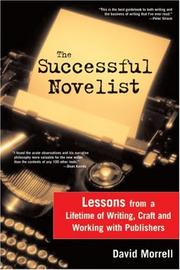 The Successful Novelist: A Lifetime of Lessons about Writing and Publishing
-
 Th Writer's Digest Handbook of Short Story Writing Volume 2
“These start from a similar idea, even if they go somewhere else with it.”
-
 The Art of Plotting: Add Emotion, Suspense, and Depth to your Screenplay
-
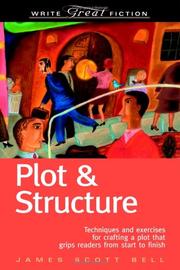 Plot & Structure: Techniques and Exercises for Crafting a Plot That Grips Readers from Start to Finish
- Writing Deep Scenes: Plotting Your Story Through Action, Emotion, and Theme
-
 Six Figure Author: Using Data to Sell Books (Write Faster, Write Smarter Book 5)