The Elements of Data Analytic Style

This short guide, written by a data scientist for people who analyze data and share their results, looks at how a good analysis should be organized and communicated. Rather than focusing on particular software or statistical methods, it argues that clear writing, careful documentation and sensible choices about what to show all matter as much as the numbers themselves. It covers how to structure a report so that readers can follow the reasoning, how to present figures and tables, and how to write code and notes that others can check and reuse. Aimed at students, researchers and working analysts alike, it treats style as a practical skill that helps findings get understood and trusted.

Audience
adult

Click a tag to see books like this one that share it. Point at it (on a phone, tap it) for less of it instead.

Read it? Sign in to help tag it.

Liked The Elements of Data Analytic Style? Here’s where I’d start.

These suit anyone who liked The Elements of Data Analytic Style. Sign in and mark a few books for picks shaped around your own taste.
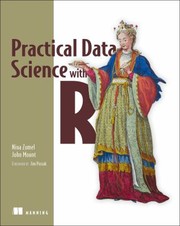
  1. Practical Data Science with R Shares data science, data, technical
  2. The Art of Data Science: A Guide for Anyone Who Works with Data Shares data science, data, analytics
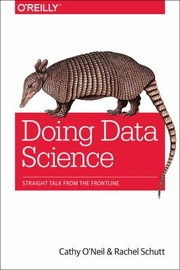
  3. Doing Data Science Shares data science, data, programming
  4. Data Scientists at Work Shares data science, nonfiction

“If you want more of the same (science about technology), start with these.”

  1. Teach Yourself Electricity and Electronics
  2. HTML 4 for Dummies
  3. Build Mobile Websites and Apps for Smart Devices
  4. Unix for the Impatient

“If it was the data science that hooked you, try one of these.”

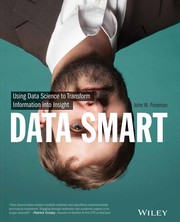
  1. Data Smart: Using Data Science to Transform Information into Insight
  2. Data Science at the Command Line: Facing the Future with Time-Tested Tools
  3. Building Data Science Teams
  4. Developing Analytic Talent: Becoming a Data Scientist

“These start from a similar idea, even if they go somewhere else with it.”

  1. Qualitative Data Analysis with NVivo
  2. R in Action
  3. Thinking with Data
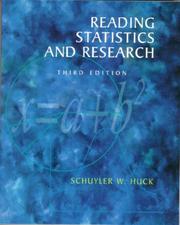
  4. Reading Statistics and Research with Research Navigator