Becoming Fluent: How Cognitive Science Can Help Adults Learn a Foreign Language
Sign in to keep track of books you’ve read and want to read.
Adults who want to learn a foreign language are often discouraged because they believe they cannot acquire a language as easily as children. Once they begin to learn a language, adults may be further discouraged when they find the methods used to teach children don't seem to work for them. What is an adult language learner to do? In this book, Richard Roberts and Roger Kreuz draw on insights from psychology and cognitive science to show that adults can master a foreign language if they bring to bear the skills and knowledge they have honed over a lifetime. Adults shouldn't try to learn as children do; they should learn like adults.
Read more
Roberts and Kreuz report evidence that adults can learn new languages even more easily than children. Children appear to have only two advantages over adults in learning a language: they acquire a native accent more easily, and they do not suffer from self-defeating anxiety about learning a language. Adults, on the other hand, have the greater advantages—gained from experience—of an understanding of their own mental processes and knowing how to use language to do things. Adults have an especially advantageous grasp of pragmatics, the social use of language, and Roberts and Kreuz show how to leverage this metalinguistic ability in learning a new language.
Learning a language takes effort. But if adult learners apply the tools acquired over a lifetime, it can be enjoyable and rewarding.
Liked Becoming Fluent: How Cognitive Science Can Help Adults Learn a Foreign Language? Here’s where I’d start.
These suit anyone who liked Becoming Fluent: How Cognitive Science Can Help Adults Learn a Foreign Language. Sign in and mark a few books for picks shaped around your own taste.
-
 How To Learn Any Language: Quickly, Easily, Inexpensively, Enjoyably and on Your Own Shares language, nonfiction, linguistics
 -
 Babel No More: The Search for the World's Most Extraordinary Language Learners Shares language, nonfiction, linguistics
 -
 The Fight for English: How Language Pundits Ate, Shot, and Left Shares language, linguistics, nonfiction
 -
 Lingo: A Language Spotter's Guide to Europe Shares language, nonfiction, linguistics
“If you want more of the same (education), start with these.”
-
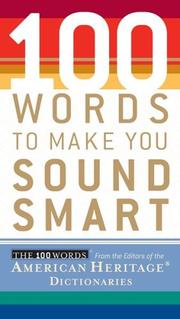 100 Words To Make You Sound Smart
-
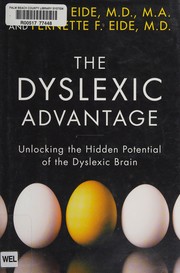 The Dyslexic Advantage: Unlocking the Hidden Potential of the Dyslexic Brain
-
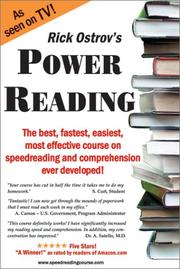 Power Reading: The Best, Fastest, Easiest, Most Effective Course on Speedreading and Comprehension Ever Developed: The Fastest, Best, Easiest Course on Speedreading and Comprehension Ever Developed!
-
 Secret Life of a Dyslexic Child