The Upside of Inequality: How Good Intentions Undermine the Middle Class
Sign in to keep track of books you’ve read and want to read.
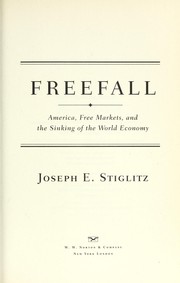
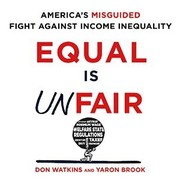
Wall Street veteran Edward Conard argues that our current obsession with income inequality is misguided and will only slow growth further. Conard tracks the implications of an economy now constrained by both its capacity for risk-taking and by a shortage of properly trained talent — rather than by labor or capital, as was the case historically. He uses this fresh perspective to challenge the conclusions of liberal economists like Larry Summers and Joseph Stiglitz and the myths of "crony capitalism." Instead, he argues that the growing wealth of most successful Americans is not to blame for the stagnating incomes of the middle and working classes. If anything, the success of the 1 percent has put upward pressure on employment and wages. Conard argues that high payoffs for success motivate talent to get the training and take the risks that gradually loosen the constraints to growth. Well-meaning attempts to decrease inequality through redistribution dull these incentives, gradually hurting not just the 1 percent but everyone else as well. Conard outlines a plan for growing middle- and working-class wages in an economy with a near infinite supply of labor that is shifting from capital-intensive manufacturing to knowledge-intensive, innovation-driven fields. He urges us to stop blaming the success of the 1 percent for slow wage growth and embrace the upside of inequality: faster growth and greater prosperity for everyone.
Liked The Upside of Inequality: How Good Intentions Undermine the Middle Class? Here’s where I’d start.
These suit anyone who liked The Upside of Inequality: How Good Intentions Undermine the Middle Class. Sign in and mark a few books for picks shaped around your own taste.
-
 Rewriting the Rules of the American Economy: An Agenda for Growth and Shared Prosperity Shares economics, nonfiction, economy
 -
Seven Bad Ideas: How Mainstream Economists Have Damaged America and the World Shares economics, nonfiction, economy
-
 Capital in the Twenty-First Century Shares economics, nonfiction, economy
 -
 When the Money Runs Out: The End of Western Affluence Shares economics, nonfiction, economy