English Gothic Misericord Carvings: History from the Bottom Up
Sign in to keep track of books you’ve read and want to read.
English Gothic Misericord Carvings: History from the Bottom Upby Betsy Chunko-Dominguez is the first book to move beyond textual dependence and traditional iconographic analysis when examining misericords. It likewise builds the most thorough discussion to date of the relationship between the misericord's several potential audiences - including patron, craftsman, occupant of the seat, and modern viewer. Beyond the bounds of misericord studies, there are implications here for study of the relationship between center and margin in late medieval art; and, indeed, what constitutes 'center' and 'margin' as conceptual realms. Ultimately, this book attempts both to re-integrate the study of misericords into the study of Gothic art in general, and to re-center them in relation to our understanding of late medieval culture.
Liked English Gothic Misericord Carvings: History from the Bottom Up? Here’s where I’d start.
These suit anyone who liked English Gothic Misericord Carvings: History from the Bottom Up. Sign in and mark a few books for picks shaped around your own taste.
-
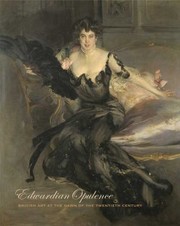 Edwardian Opulence Shares art and society, motives, theme
-
Giotto and the Arena Chapel Shares art and society, motives, theme
-
 Contemporary Chinese Cinema and Visual Culture Shares art and society, motives, theme
-
Reception of the Printed Image in the Fifteenth and Sixteenth Centuries Shares art and society, motives, theme