Cover of Anna Freud

Anna Freud

Anna Freud, daughter of Sigmund, made many original contributions to psychoanalytic theory and child development, and yet much of her work remains relatively unknown.Taking a fresh look at Anna Freud's theories and techniques from a clinical and critical viewpoint, and the controversy they caused, this book highlights how Anna Freud's work is still relevant and important to the problems of today's society, such as dysfunctional families, child delinquency and violence. It also plays a vital role in recent developments in therapeutic techniques.Written by a former student and co-worker of Anna Freud, this book will make useful reading for clinicians and students of child development.

Audience
adult
Length
medium · 232 pages

Click a tag to see books like this one that share it. Point at it (on a phone, tap it) for less of it instead.

Read it? Sign in to help tag it.

Liked Anna Freud? Here’s where I’d start.

These suit anyone who liked Anna Freud. Sign in and mark a few books for picks shaped around your own taste.
  1. Localization and Its Discontents Shares neurology, psychiatry, psychoanalysis
  2. Of Two Minds: An Anthropologist Looks at American Psychiatry Shares psychiatry, medicine, psychoanalysis
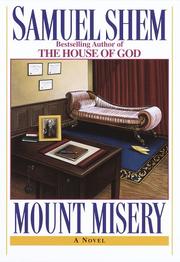
  3. Mount Misery Shares medicine, psychiatry, medical
  4. Vertigo and dizziness Shares neurology, psychoanalysis, medical

“If you want more of the same, start with these.”

  1. Julia's Mother: Life Lessons in the Pediatric ER
  2. Tell Me the Truth: Conversations With My Patients About Life And Death
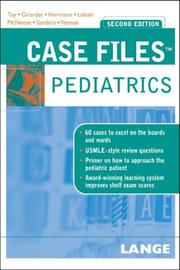
  3. Case Files: Pediatrics
  4. Prehospital Emergency Care

“If it was the neurology that hooked you, try one of these.”

  1. Fast facts
  2. Kaplan and Sadock's Pocket Handbook of Clinical Psychiatry
  3. Hemorrhagic stroke
  4. Monetary theory and policy

“These start from a similar idea, even if they go somewhere else with it.”

  1. Severe Personality Disorders: Psychotherapeutic Strategies
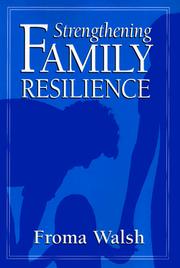
  2. Strengthening family resilience
  3. Object relations theories and psychopathology
  4. On becoming a psychotherapist