Cover of Questioning technology

Questioning technology

In this extraordinary introduction to the philosophy of technology, Andrew Feenberg argues that technological design is central to the social and political structure of modern societies. In his lucid and engaging style, Feenberg shows that technology is a medium of daily life. Every major technical change reverberates at countless levels: economic, political, religious, and cultural. If we continue to see the social and technical domains as being separate then we are essentially denying an integral part of our existence and our place in a democratic society. — from back cover.

Audience
adult
Length
medium · 243 pages

Click a tag to see books like this one that share it. Point at it (on a phone, tap it) for less of it instead.

Read it? Sign in to help tag it.

Liked Questioning technology? Here’s where I’d start.

These suit anyone who liked Questioning technology. Sign in and mark a few books for picks shaped around your own taste.

  1. Kanji politics Shares politics, aspect politique, public policy
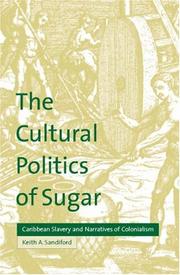
  2. The cultural politics of sugar Shares politics, aspect politique, public policy
  3. Polarization Shares politics, aspect politique, public policy
  4. Global City 2. 0 Shares politics, aspect politique, public policy

“If you want more of the same (politics about technology), start with these.”

  1. Travel Connections: Tourism, Technology and Togetherness in a Mobile World
  2. The Internet Edge
  3. African media and the digital public sphere
  4. Digital rebellion

“If it was the public policy that hooked you, try one of these.”

  1. Hacking the Future: Privacy, Identity, and Anonymity on the Web
  2. Stories of Peoplehood
  3. La cabala del cavallo Pegaseo
  4. Political culture in the reign of Elizabeth I

“These start from a similar idea, even if they go somewhere else with it.”

  1. Men In Arms: A History Of Warfare And Its Interrelationships With Western Society
  2. Technology and American society
  3. The Gifts of Athena - Historical Origins of the Knowledge Economy
  4. World History