Letting go
Sign in to keep track of books you’ve read and want to read.
How we define our right to die is the result of a complex negotiation between personal autonomy and public control, founded on many of the same concepts that underpin Roe v. Wade. From beginning to end, the lives of all Americans are in the hands of the courts, and historian Melvin I. Urofsky informs us about what we can expect from those courts and how we can ensure for ourselves the right to make the most fundamental decisions about the quality of our lives. Urofsky maps out the legal debate surrounding the "right to die" in an authoritative discussion of the compelling issues of personal autonomy, privacy, and the First Amendment. Drawing upon precedents from celebrated court cases such as Nancy Cruzan and Karen Ann Quinlan, Urofsky then clarifies the ethical ambiguities in personal terms with which everyone can identify. He confronts the problems posed by living wills, the withdrawal of life support systems, and the pros and cons of a rational person's choosing the option of suicide.
Read more
As modern medicine prolongs life beyond all previous limits, how we die is perhaps the greatest moral and legal dilemma we face. Letting Go is for anybody concerned with how America conceives the rights of the individual in the late twentieth century, as well as those facing painful, personal decisions of life and death.
Liked Letting go? Here’s where I’d start.
These suit anyone who liked Letting go. Sign in and mark a few books for picks shaped around your own taste.
-
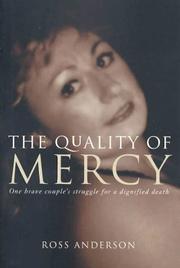 The Quality of Mercy: One Brave Couple's Struggle for a Dignified Death Shares terminally ill, legal status, law
-
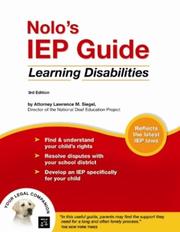 Nolo's IEP Guide Shares law, legal status, law and legislation
-
Śrī 3 Harūko tathya vr̥ttānta Shares legal status, law and legislation, law
-
 Employing the handicapped Shares legal status, law and legislation, law