The selfish brain
Sign in to keep track of books you’ve read and want to read.
Robert DuPont, a psychiatrist who once led a national drug abuse agency, argues that addiction is a disorder of the brain's reward and self-control systems. Drawing on research into how drugs and compulsive behaviours change what people want and how they choose, he explains why a habit can feel like a matter of willpower yet operate largely beyond it. The book examines the biology of craving, the role of the environment and the problem of relapse, and what this means for treatment, recovery and public policy. It is aimed at clinicians, families and people working through addiction, and combines science with practical discussion of rehabilitation.
Liked The selfish brain? Here’s where I’d start.
These suit anyone who liked The selfish brain. Sign in and mark a few books for picks shaped around your own taste.
-
 Hungry hearts Shares compulsive behavior, substance related disorders, substance abuse
-
 Willpower's Not Enough Shares compulsive behavior, substance related disorders, substance abuse
-
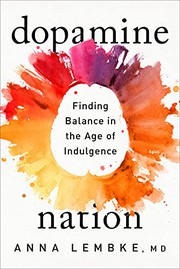 Dopamine Nation Shares compulsive behavior, substance related disorders, substance abuse
-
 Addiction & recovery for dummies Shares substance related disorders, substance abuse, rehabilitation