The team handbook
Sign in to keep track of books you’ve read and want to read.
The Team Handbook is a practical guide for organizations that want to improve their work through teams. It explains how to form a team, set its goals, and keep meetings productive, and it presents the tools used in quality improvement, such as charting, data gathering and structured problem solving. The authors write in plain steps that a group can follow without outside help.
Read more
It is aimed at managers, facilitators and team members who need a working method rather than theory, and it remains a common reference in the study of teamwork at work.
Liked The team handbook? Here’s where I’d start.
These suit anyone who liked The team handbook. Sign in and mark a few books for picks shaped around your own taste.
-
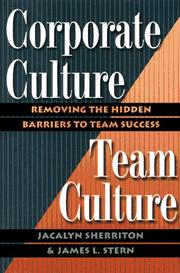 Corporate culture, team culture Shares business economics, teams in the workplace, business economics finance
-
 The management of business logistics Shares business economics, business economics finance, entrepreneurship
-
 Weekend Millionaire Secrets to Negotiating Real Estate Shares business economics, business economics finance, entrepreneurship
-
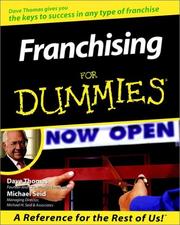 Franchising for dummies Shares business economics, business economics finance, entrepreneurship