Shades of freedom
Sign in to keep track of books you’ve read and want to read.
A. Leon Higginbotham examines how American law came to treat race as a basis for legal status. The book follows colonial and early national courts as they built a set of presumptions about who could be free and who could be enslaved, and how these assumptions shaped the lives of African Americans and people of mixed ancestry. Higginbotham looks closely at specific cases, statutes and judicial opinions, showing how legal reasoning helped entrench slavery and racial hierarchy. The study reads legal history closely, concerned less with individual lives than with the rules that governed them, and it asks how a system that claimed to be neutral could be so deeply shaped by race.
Liked Shades of freedom? Here’s where I’d start.
These suit anyone who liked Shades of freedom. Sign in and mark a few books for picks shaped around your own taste.
-
 Equal Protection and the African American Constitutional Experience Shares African American, legal status, law
-
 And we are not saved Shares African American, legal status, race
-
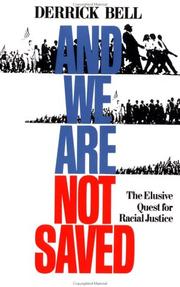 And We Are Not Saved Shares African American, legal status, race
-
 Complicated Lives Shares African American, legal status, race